Vaginal atrophy isn't just about lubrication disappearing. The tissue genuinely thins. Your vaginal walls lose elasticity, blood flow decreases, and the nerve endings that fire pleasure signals get further apart. This means direct friction feels duller. What used to spark sensation now feels muted, like hearing music through a wall.
The confusing part is this: the clitoris is mostly spared. It has its own blood supply, its own nerve density. So while your vagina is thinning out, your clitoris is still waiting to work. Most people don't realize they can rebuild sensation through targeted clitoral stimulation instead of pushing through vaginal friction that feels numb or painful.
I see this pattern constantly in my practice. Someone assumes their pleasure is just... gone. Then they try a proper clitoral vibrator and discover they can still feel intensely. That's not recovery. That's redirection. And it's real.
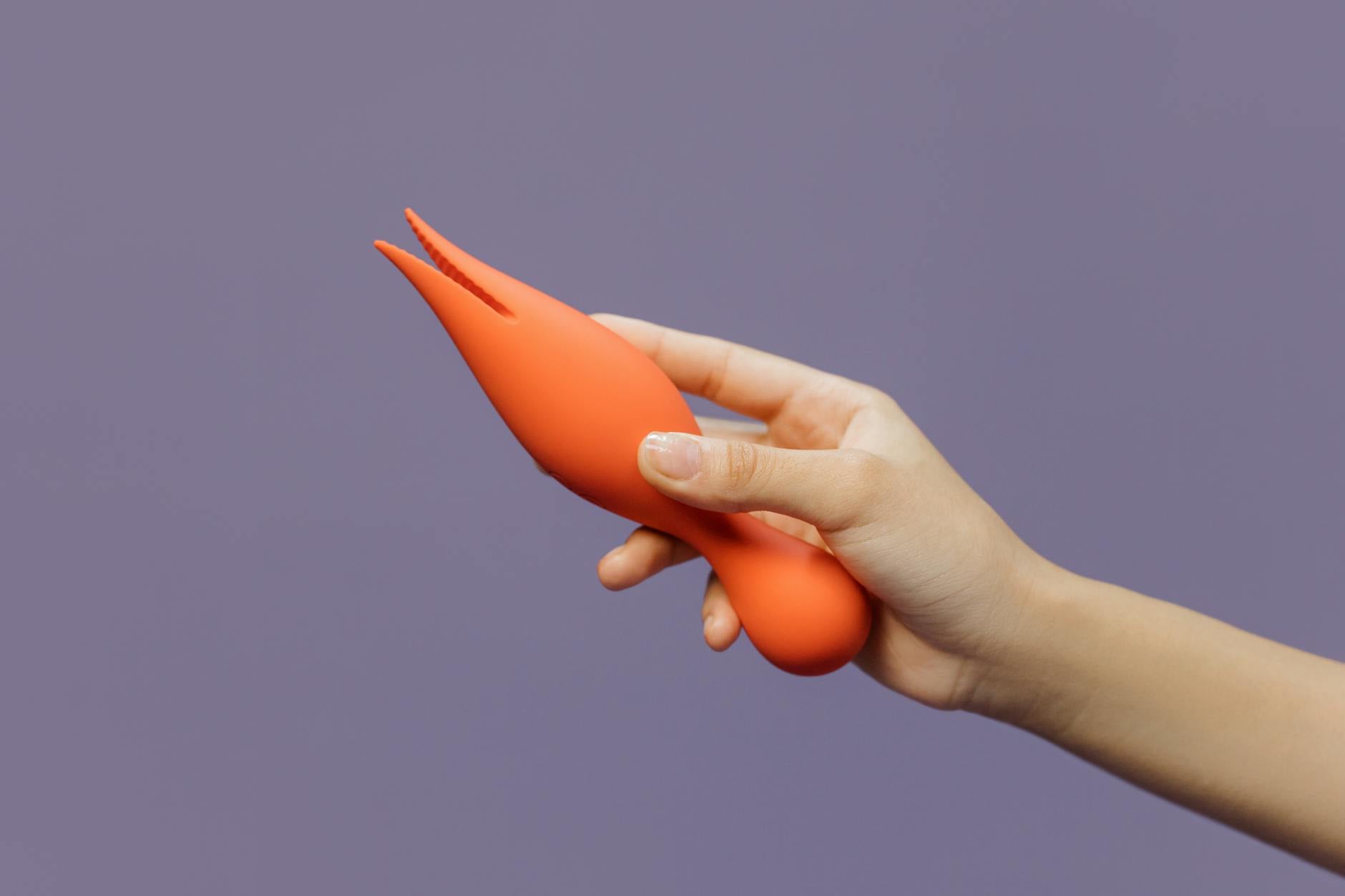
A standard vibrator works through rapid back-and-forth motion. It's direct friction. When tissue is thin and fragile, that kind of repetitive pressure can feel irritating or numb you out further. A suction-style vibrator like The Lem works differently. Instead of shaking side-to-side, it creates a rhythmic pulse that draws blood into the clitoral complex and stimulates the entire glans from multiple angles at once.
This matters because suction doesn't rely on thick tissue being elastic or responsive. It creates sensation through change in pressure and blood flow, not through friction. Someone with atrophy can feel this kind of stimulation clearly because it's working with the nerve network as it is right now, not fighting the tissue structure.
The clinical reason is simple. Suction stimulates fast-twitch nerve fibers (A-delta) that are most sensitive to pressure changes. Those fibers don't require healthy, thick tissue to fire. Friction-based vibration relies more on slow-twitch fibers (C fibers) that need intact tissue structure to work well. When tissue is compromised, you want to activate the nerve fibers that still respond reliably.
Atrophy often comes with desensitization. Your nervous system has learned that stimulation doesn't produce much sensation, so it stops paying attention. Rebuilding starts with waking those nerve endings back up. This takes patience and a completely different rhythm than you might be used to.
Start on the lowest setting. The Lem has multiple intensity levels for exactly this reason. Many people with atrophy skip straight to higher patterns because lower ones feel too subtle. Resist that. Your goal isn't orgasm on day one. Your goal is feeling something you didn't expect to feel.
Take 15 to 20 minutes with pattern 1 or 2. Explore the different contact angles. Notice where sensation feels strongest. This isn't foreplay leading somewhere else. This is the entire activity. Your nervous system is relearning what feels good, and that process is slower than it was before atrophy. That's not a failure. That's how recovery actually works.
Atrophy means less natural lubrication, so you'll need to add it. Use a water-based lube with The Lem every single time, even though it's a clitoral toy and not going inside. Why? Because lubrication creates a seal that helps the suction work properly, and it keeps the sensitive skin around your clitoris from getting irritated by repeated contact.
If you're using condoms or dental dams during partnered play, a little lube on the outside of the barrier helps sensation travel through better. It sounds counterintuitive, but it works. The barrier is still there for safety or comfort. The lube just bridges the sensory gap.
One note: if you're using a hormonal cream or estrogen treatment for atrophy, timing matters. These medications work best when they sit on the tissue for a few hours. Use your vibrator in the morning or early evening if you're applying treatment at night. Let the medication do its job without competing with lube and stimulation.
Sensation recovery isn't linear. Some days your clitoris will feel more responsive than others. This is normal and depends on your hormones, stress level, blood flow, and how much time has passed since your last session. Don't chase a specific outcome. Instead, use The Lem three to four times a week and track what changes over weeks, not days.
Most people notice shifts at the two-week mark. Sensation starts feeling less flat. By four to six weeks, many women report they can distinguish between different patterns more clearly. By three months of regular use, true pleasure responses often come back. The nerve endings don't regenerate that fast, but your nervous system does rewire its relationship to sensation.
During this time, avoid jumping to higher intensities. The temptation is strong because you're used to needing more stimulation to feel anything. But using high-intensity settings on recovering tissue can actually extend the atrophy process by irritating the area. Low and consistent beats the intense-and-sporadic pattern every time.
If after eight weeks of regular use sensation isn't rebuilding, something else might be going on. Medication side effects, deeper hormonal imbalances, or psychological factors can all block sensation recovery even when the tissue is healing. This is when you talk to a gynecologist or sexual medicine specialist.
They can check whether your estrogen treatment is working, whether you need a different dosage, or whether a different approach (like testosterone therapy) would help. Atrophy is treatable, but recovery sometimes needs more than one tool. A clitoral vibrator is an excellent piece of that puzzle, not the whole puzzle.
Some people also benefit from pelvic floor physical therapy during atrophy recovery. The pelvic floor muscles can get tight and protective when tissue is fragile, which actually blocks sensation from traveling to your brain. A pelvic floor PT can teach you how to relax those muscles so stimulation registers properly.
If you're using The Lem with a partner, be clear about what you're doing and why. Atrophy recovery isn't about your partner not being enough. It's about rebuilding your nervous system's capacity to feel. Partners sometimes interpret this as rejection. They're not. You're literally retraining your body.
A good conversation sounds like: "My sensation is flattened right now, and I'm using this to wake up my nerve endings. This isn't about you or what we do together. It's about rebuilding how my body responds." Then show them how it works. Let them see that this is practical, not romantic, and it serves your shared pleasure down the line.
Many couples find that once sensation starts coming back, partnered sex becomes more satisfying for both people because you're working with a nervous system that's actually responding, not one that's struggling to feel anything. That's worth the rebuild period.
Atrophy didn't happen overnight, and recovery won't either. If your atrophy took two years to develop, expect recovery to take months, not weeks. That's not slow. That's realistic. Your tissue is actually changing. Blood flow is increasing. Nerve endings are reorganizing. That takes time.
During the process, you might feel frustrated or discouraged. That's when people often abandon the effort and go back to thinking they've lost sensation for good. They haven't. They've just given up before the nervous system caught up. Stick with it. Use The Lem consistently. Notice small changes. In three to six months, your sensation will be noticeably different than it is today.
Start very gently. If you're having pain during use, stop and try again another day. Pain means the tissue isn't ready yet or the pressure is too high. Build up slowly. If pain persists even at the lowest setting with plenty of lube, that's a sign to talk to a doctor. Sometimes topical estrogen or other treatments need to come first, then you add vibrator use once the acute pain stops. Pain and sensation recovery are different problems.
More than you'd think. Use about the amount of a small grape on the tip to create a seal, then add a bit more if it dries during use. Water-based lubes dry, so check in halfway through your session and add more if needed. The lube isn't just for comfort. It's helping the suction mechanism work and protecting thin tissue. Don't skimp on it.
No, but using it incorrectly might slow recovery. High-intensity vibration on irritated tissue or without lubrication can cause inflammation. That's why the low-and-consistent approach matters. If you use The Lem gently and with plenty of lube, you're stimulating blood flow to the area and retraining sensation. That supports recovery, not the opposite.
Absolutely. Most doctors actually recommend it. Hormone treatment addresses the root cause (low estrogen). The vibrator retrains your nervous system and increases local blood flow. They work together. Just don't apply hormonal cream and use your vibrator at the exact same time. Space them out by a few hours so the medication can absorb.
You'll notice sensation changes before structural changes. You might start to feel different levels of pressure on The Lem. You might notice you can feel when your partner touches you during foreplay when you couldn't before. Over weeks, arousal response gets faster. Lubrication increases slightly. These are the early wins. After two to three months, the physical exam by a doctor will show tissue improvement too.
No. A clitoral vibrator is one tool in a toolkit. You might also need topical or systemic hormone therapy, pelvic floor physical therapy, better sleep, less stress, or improved blood flow through exercise. Some people benefit from all of those. A vibrator helps rebuild the sensory piece. Everything else rebuilds the physical and hormonal piece. Work with professionals to figure out your specific combination.
Atrophy steals sensation gradually, so recovery feels invisible at first. But three months into consistent use of The Lem, most people tell me the same thing: "I didn't think this was possible again." It was. Your nervous system is just slower to wake up than you expected. Give it time, use the right tool, and sensation comes back. Your pleasure isn't gone. It's just waiting for you to rebuild the pathway to it.