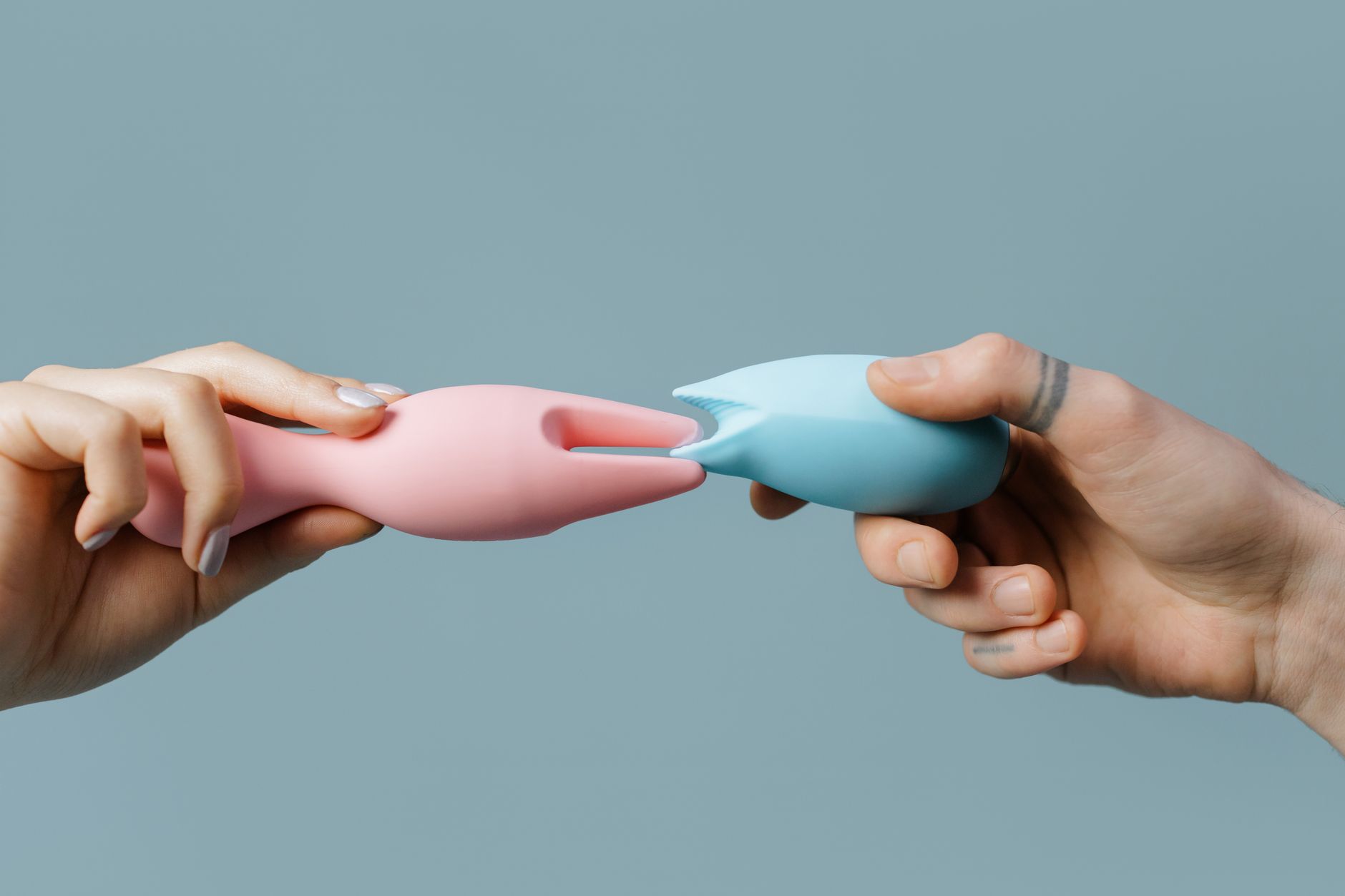
How to Use a Lemon Vibrator When You're Dealing With Vulvodynia
Vulvodynia is a diagnosis, not a death sentence for pleasure. Here's how to explore touch safely with a lemon clitoral vibrator, what triggers to watch for, and how to rebuild confidence in your body.
Vulvodynia is chronic vulvar pain without a clear dermatological cause. If you've been diagnosed, you already know that everyday touch, penetration, or even sitting can hurt. What doesn't get discussed as often: plenty of people with vulvodynia find pleasure again. It's not automatic, it's not painless, and it requires boundaries you might not have needed before. But it's possible.
Vulvodynia isn't a yeast infection, a bacterial imbalance, or dermatitis. Those have external causes. Vulvodynia is your nervous system treating normal sensation as a threat. The pathways that should register pleasure signal pain instead. That distinction matters because it changes everything about how you approach touch.
The good news: your nerves can be retrained. Pain neuroplasticity is real. You can't think your way out of it, but you can gradually, carefully expose your vulva to sensation in ways that don't reinforce the pain pattern.
That's where a vibrator comes in, but not in the way you're probably thinking.
Most vibrators create sustained, intense pressure. For vulvodynia, that intensity can trigger the pain response and set your healing back weeks. The Lemon's suction-based technology is different. It stimulates without the grinding pressure that often exacerbates symptoms.
Three specific reasons it helps:
It's not direct touch. The suction creates a different sensation pathway than a traditional vibrator. Your nerves interpret it as gentler, less threatening. Over time, that can help rewire the "threat" signal into "pleasure."
You control the pressure. You're not resting a vibrator against your skin. You're placing the opening over your clitoris and letting suction do the work. That means zero pressure intensity and full control over engagement.
Pattern matters more than power. The Lemon offers multiple intensity settings starting from pattern one, which is barely perceptible. You can spend weeks at pattern one and still be making progress toward pleasure.
This is the opposite of the "go big or go home" vibrator approach. You're working small, consistent, and intentional.
Begin before you feel ready. That's the hardest part of vulvodynia recovery: moving forward even when your body is convinced something will hurt.
Session one: exploration without vibration. Hold the Lemon, get familiar with the weight and feel of it. Don't turn it on. Look at it. Touch it to your inner thigh. Notice what your body does when it expects pain.
Session two: pattern one, over clothing. Place the Lemon's opening against your vulva while you're still wearing underwear. Turn it on at the lowest setting. Keep it there for 30 seconds. That's it. Notice whether you feel any pain, or just sensation.
Session three: pattern one, direct contact, 60 seconds. Same setting, but now directly on your vulva. Not against the clitoris, just in the general area. Your goal is not pleasure yet. Your goal is to prove to your nervous system that sensation doesn't equal pain.
This protocol takes weeks, maybe months. That's not failure. That's retraining.
Lubrication does two things: it reduces friction and it signals to your nervous system that your body is ready for touch. Both matter for vulvodynia recovery.
Use a water-based lube generously. Not because you're "broken" or "not turned on," but because the chemical and mechanical signal of lube tells your nervous system something different is happening. It's part of the retrain.
Some people with vulvodynia find that certain lubes trigger irritation. If regular lube makes it worse, try an organic, hypoallergenic option. Or skip lube entirely for now. The Lemon's suction mechanism doesn't require it the way friction-based vibrators do.
Pain isn't failure. Pain is information. If you hit pain during a session, you have three options.
One: Stop and restart. Turn off the Lemon, breathe, wait five minutes, try again at a lower intensity or with more lube. Sometimes pain is exhaustion. Sometimes it's just bad timing.
Two: Reframe what you're feeling. Vulvodynia nerves are confused. What feels like pain might actually be intense sensation your brain is misinterpreting. This is where trusted mental space matters. If you can pause and ask "Is this sharp pain or overwhelming sensation?" you can sometimes move through it.
Three: Stop the session. If pain persists or worsens, turn off the Lemon, get up, and do something else. There's no prize for pushing through. Recovery isn't linear, and some days your nervous system just isn't ready.
Talk to your pelvic floor physical therapist or gynecologist about what you're experiencing. Vulvodynia is often treated with pelvic floor physical therapy, topical treatments, or low-dose antidepressants that calm nerve signaling. A vibrator is one tool, not the only one.
The hardest part of vulvodynia isn't the physical pain. It's the psychological weight of it. Your body has betrayed you. Touch has become dangerous. That belief lives in your nervous system now, and you're trying to convince it otherwise.
Pleasure is the last frontier. But it does come back. I've worked with people who got their vulvodynia diagnosis and swore they'd never feel pleasure again, and two years later they were rediscovering their sexuality in ways that shocked them.
Here's what that looked like for most of them: it started with sensation that was neutral, not painful. Then sensation that was sometimes enjoyable. Then patterns where pleasure appeared without pain. Then longer sessions. Then partnered touch. Then the kind of pleasure they thought was gone forever.
A lemon vibrator was part of that path because it's gentle enough for early recovery and sophisticated enough for later exploration.
If you have a partner, they need to understand that vulvodynia recovery isn't about their pleasure or even about joint pleasure yet. It's about you rebuilding the neural pathway from touch to sensation to potential pleasure.
That means they might sit with you while you use the Lemon alone. Or they might leave the room entirely. Or they might explore how to touch you in ways that don't trigger pain. All of those are valid.
Check in with them about expectations. "I'm starting with five minutes of solo exploration" sounds very different from "I'm broken and we might never have sex again." The first is a protocol. The second is a diagnosis of your relationship, and it's not accurate.
If your partner pressures you to move faster, skip steps, or prove that the vibrator "works" by achieving orgasm on a timeline, that's a separate problem. That's relationship pressure on top of a medical condition. That's worth addressing separately.
Severe vulvodynia sometimes requires professional support first. If touching your vulva at all causes sharp pain, talk to a pelvic floor physical therapist or gynecologist before starting. Once you have clearance and a treatment plan, a lemon vibrator can be introduced slowly. Start with pattern one over clothing and go from there.
Not if you're intentional about it. The danger comes when you push too hard, too fast, or ignore pain signals. If you follow a gradual protocol and stop when something genuinely hurts, you're teaching your nervous system that stimulation is safe. That's the opposite of making it worse.
There's no standard timeline. Some people report improvement in weeks. Others take months. It depends on how long you've had vulvodynia, whether you're also doing pelvic floor physical therapy, and how consistently you practice. Consistency matters more than intensity. Five minutes three times a week at pattern one beats one intense session.
Completely normal. Numbness often accompanies vulvodynia because your nervous system has downregulated sensation as a protective mechanism. That numbness will probably recede gradually. You might feel nothing for months, then one day feel something you didn't before. That's progress.
Some people find other toys helpful. But most vibrators create pressure-based stimulation, which can trigger pain faster than suction-based approach. A lemon clitoral vibrator's design is specifically gentler for sensitive or compromised tissue. If you want to explore other options, ask your physical therapist what they recommend.
Yes. Your gynecologist or pelvic floor specialist should know all the tools you're using for recovery, including vibrators. If something causes pain or doesn't align with your treatment plan, they can adjust your protocol. They're on your team.
Vulvodynia recovery is not sexy or quick. It's slow and boring and involves a lot of sessions where nothing dramatic happens. That's the actual timeline. Not "I used a vibrator and now everything is fixed," but "I used a vibrator consistently for six months and my nervous system slowly stopped treating touch as a threat."
Some days you'll feel hopeless. Some days you'll forget you even have vulvodynia. Most days will be somewhere in between. That's normal. That's healing.
If you're struggling, connect with other people in vulvodynia support groups. Read about people whose nervous systems rewired and came back to pleasure. Watch how people use a lemon vibrator when completely numb and adapt those strategies for your pain.
Your vulva isn't broken. Your nervous system is just confused. And confused systems can be retrained, one gentle session at a time.