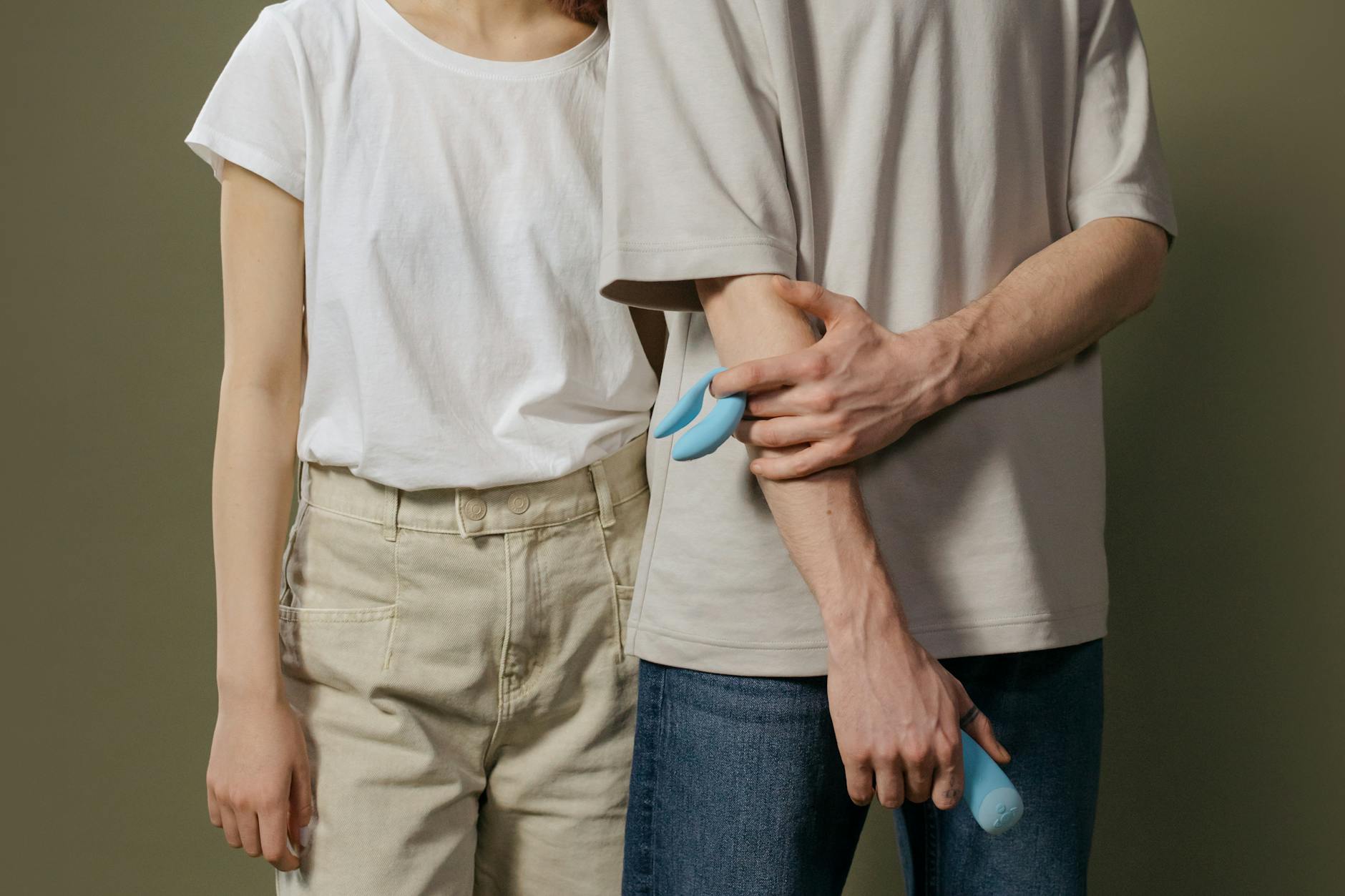
How to Use a Lemon Vibrator When You're in Your 60s or Older
Your body changes. Your capacity for pleasure doesn't. Here's exactly how to use clitoral vibrators like the Lem at this stage of life, and why now might genuinely be your best sexual season.
Honestly? Sex over 60 is not a consolation prize. It's often the main event. Your body has shifted. Your nervous system is different. Your skin is different. But the nerves that carry pleasure to your brain are still there, still responsive, and in many cases, more efficient than they were at 30.
The gap between what you've been told about aging and sex, and what's actually true, is massive. Most messaging amounts to "you should expect less." That's not sex advice. That's marketing by companies that profit from low expectations.
Here's what changes, what doesn't, and how a lemon vibrator, specifically, works with your body right now.
Estrogen continues to drop post-menopause, which means vaginal tissue gets thinner and produces less natural lubrication. That part is real. Your skin overall is thinner. The pelvic floor loses some elasticity. Blood flow to genital tissue can be slower to activate. Medications for blood pressure or cholesterol sometimes mute sensation.
But here's the part nobody emphasizes: your clitoris doesn't age the same way.
The clitoral network is packed with specialized nerve endings designed specifically to feel pleasure. Unlike vaginal tissue, it doesn't thin significantly with hormonal shifts. A quality lemon clitoral vibrator, like the Lem, works with these unchanged nerve pathways, not against them.
Many of my clients report their first truly satisfying orgasms in their 60s or 70s. Not because the mechanics suddenly worked. Because they stopped apologizing for wanting them.
This one's straightforward. Water-based lube is not optional at this stage. It's foundational.
Tissue that's thinner needs extra glide. Your body might produce some natural lubrication during arousal, but it's typically less than it was, and it arrives more slowly. Starting with lube means you're not waiting 20 minutes for your body to catch up. You're starting the conversation now.
Apply a full teaspoon of water-based lube directly to the external clitoris and the head of the Lem before turning it on. Reapply if you go longer than 15 minutes. This isn't a workaround. It's how the technology is designed to feel best on your tissue. The suction mechanism of a lemon clitoral vibrator needs moisture to function at its gentlest.
Your arousal cycle now takes time. Budget 20 to 30 minutes before introducing a vibrator, instead of the 5 or 10 you might have needed before.
This is not dysfunction. It's a different rhythm.
Start with something that feels good non-sexually. A partner's hand on your arm. Kissing. A back rub. Some people in this stage of life find that mental foreplay matters more than before. Thinking about something that turns you on for a few minutes before touching yourself makes a real neurological difference.
When you turn on the Lem, start at the lowest pattern (usually pattern 1 or 2). You have nowhere to be. The arc of pleasure is longer now, which means the plateau can feel better than it ever did when orgasm was the finish line.
Some of my clients tell me that orgasms feel less intense. Others say they feel different but richer. A few describe them as more localized, less of a whole-body experience.
All of that is normal. And all of it can shift month to month, depending on stress, sleep, relationship dynamics, and medication.
A lemon vibrator works well here because the suction technology doesn't require you to tolerate direct vibration. If your clitoris feels more sensitive now, suction is often gentler and more nuanced. If sensation feels less vivid, the Lem's patterns give you room to explore intensity without buzzing your way into numbness.
If you're using a clitoral vibrator with someone, here's the thing: this is not a reflection on them or the relationship. A lemon sexual toy like the Lem is not a replacement. It's a tool your body benefits from at this stage.
The most useful conversation isn't about the toy. It's about what you want. "I'd like more time focused on me," or "I want to explore what makes me come now," or "I'm curious about trying this together."
Many couples in their 60s and beyond find that integrating a vibrator actually deepens things. You learn something new about what your partner wants. You spend longer in the bedroom together. You communicate more clearly about pleasure.
If there's pain during sex or vibrator use, that's worth mentioning to your GP. Genitourinary syndrome of menopause gets more pronounced over time, and it's highly treatable. A topical estrogen cream often helps. So does vaginal moisturizer used regularly (not just before sex).
If you're on medications that affect sensation or arousal, a conversation with your pharmacist might reveal alternatives. Sometimes a different blood pressure med or anti-anxiety drug works just as well and interferes less with pleasure.
If you're taking blood thinners, vibrators are fine, but avoid anything that could cause trauma to delicate tissue. The Lem's suction design is safer than traditional vibration for this reason.
Honestly though, the biggest shift isn't physical. It's permission.
So many women over 60 carry a belief that sexuality was supposed to end at menopause, or at 50, or at some arbitrary age when they stopped being "that kind of woman." That belief gets in the way more than any physical change.
Your pleasure matters. Not despite your age. Not as a consolation prize. It matters because you're alive, because your body can still feel, because you deserve to experience something that feels amazing.
A lemon vibrator, specifically, offers something older bodies appreciate: precision without aggression. The Lem works because it doesn't require you to override your body's real needs. It works with thinner tissue. It respects sensitivity. It gives you control over intensity. It works in silence.
Yes, but with care. Avoid anything that could cause tissue trauma. Suction-based vibrators like the Lem are gentler than traditional vibrators because they don't involve direct percussion. Stick to external use, use plenty of lube, and avoid aggressive pressure. If you have specific health concerns, check with your GP.
As often as you want. Daily, weekly, monthly. Your body doesn't have a quota. Some people find that regular use actually improves natural lubrication over time. Others use clitoral vibrators occasionally. There's no "too much."
No. This is an old myth. In fact, understanding what makes you orgasm with a vibrator gives you better information to share with a partner. You learn your own rhythm, which makes partnered sex richer, not more difficult.
Start at the lowest pattern. Use more lube than you think you need. The suction patterns on lemon clitoral vibrators are designed to be gentler than buzzing vibrators. You can also place a thin layer of fabric between the head and your skin if needed, though most people find that unnecessary with quality lube.
Yes. In fact, many gynecologists recommend it. The increased blood flow to genital tissue during arousal actually helps with hydration and tissue health long-term. Always use plenty of water-based lube. If penetrative use is uncomfortable, stick to external clitoral stimulation, which requires no penetration.
That depends on your relationship and comfort level. If you're partnered and having sex together, transparency usually builds trust. If you're using it alone, it's yours. Some partners appreciate being invited into the experience. Others find it helpful to know without participating. There's no right answer except the one that feels authentic to you.
Your 60s and beyond might be the decade you actually get to have pleasure without the noise around it. Without fertility anxiety. Without the pressure to perform. Without the belief that your body is supposed to want less.
A lemon vibrator like the Lem is built for this stage of life. Not in the "special elderly vibrator" sense. In the sense that suction technology, lower-intensity patterns, and external focus work brilliantly with how your body responds now.
You spent decades learning how to disappear your own needs. This decade, you get to learn the opposite.
If you're ready to explore what pleasure looks like for you at this stage, Hello Nancy has resources and tools designed with you in mind. Your body hasn't retired. Your capacity for satisfaction hasn't either.