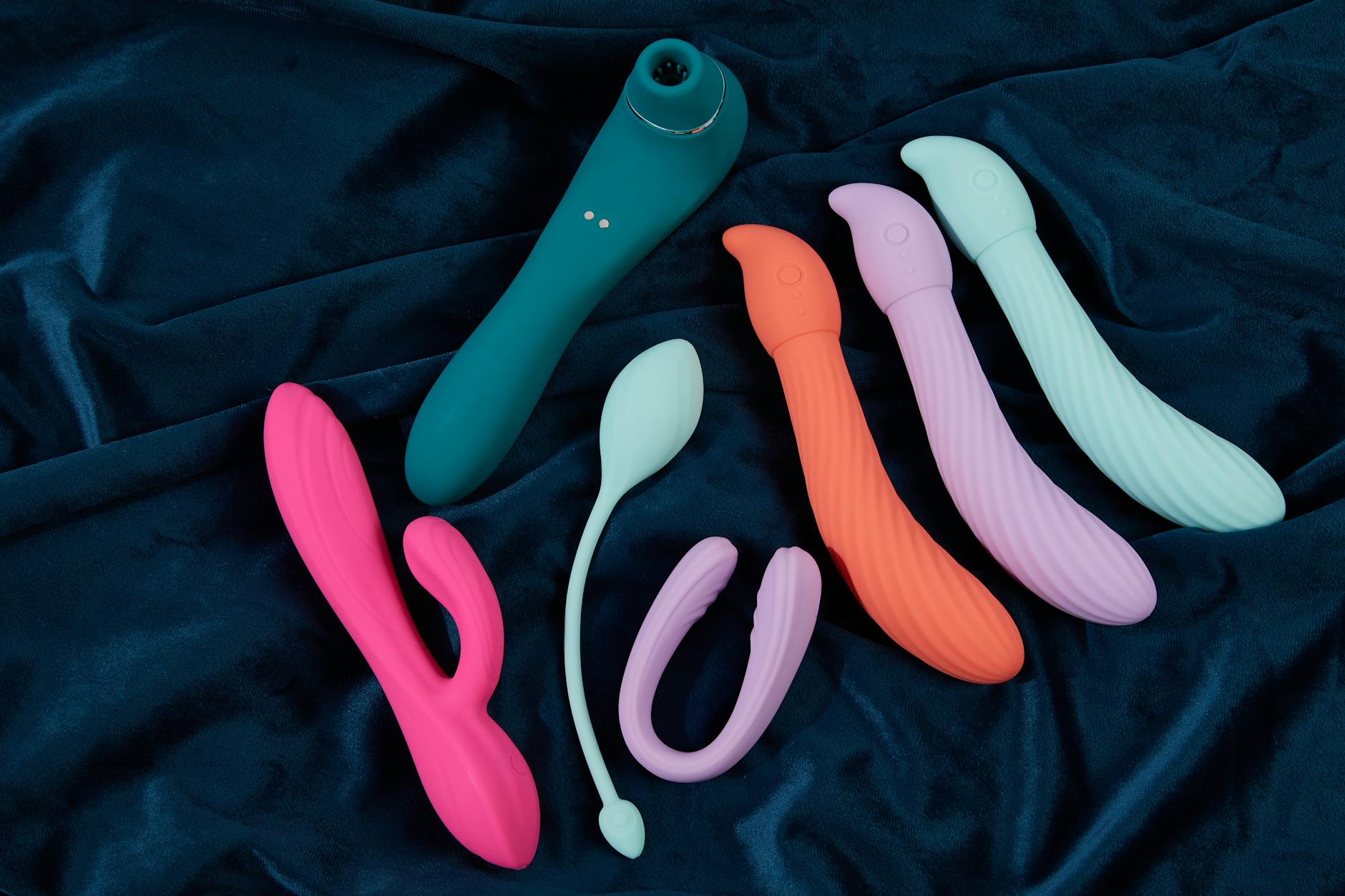
How to Use a Lemon Vibrator After Kids When Touch Feels Overwhelming
Parenting burns through your touch quota before dinner. A suction-based clitoral vibrator works differently than penetration or hand stimulation, giving you pleasure back on your own terms.
Your partner touches your arm and you flinch. Your kid climbs into your lap and you feel your skin crawl. By 8 p.m., the thought of anyone needing your body feels like a violation. That's not rejection of your partner. That's touch saturation. After a day of physical parenting, your nervous system has met its limit.
Intimacy still matters. Pleasure still matters. But it has to work differently now.
Here's the truth that changes everything: a lemon vibrator requires zero reciprocal touch. You're not managing your partner's pleasure. You're not soothing anyone. You're not on duty. That distinction rewires the whole experience.
Touch fatigue is what happens when your body is already in constant sensory demand. Kids climbing on you, sticky hands, someone always needing something physical from you. By evening, your body feels colonized. When a partner initiates, even gently, it reads as another demand on a resource that's already depleted.
This is not a reflection of your desire. You can want sex, want pleasure, and still need it to happen in a way that doesn't require you to manage someone else's body or experience in the moment.
That's where a lemon clitoral vibrator changes the dynamic entirely. It's not about penetration. It's not about coordinating with a partner's rhythm. It's focused, intentional stimulation that you control completely. No negotiation. No responsiveness required.
Most vibrators are buzzing. They're consistent, high-frequency stimulation that requires sustained pressure and attention. After a day of sustained caregiving demands, sustained anything feels wrong.
A lemon vibrator works through suction. It pulls gently against the clitoral tissue, creating a sensation that's less about vibration and more about rhythmic pressure waves. The difference sounds technical until you feel it. It's gentler to integrate into your nervous system. It doesn't feel like another sensation demanding adjustment. It feels like relief.
Many clients tell me this: with a traditional vibrator, they had to stay "on" mentally. With a lemon sexual toy, they could actually drop in. The suction creates a rhythm you can sink into instead of managing.
Touch fatigue isn't constant. It peaks. Understanding your rhythm matters.
For most parents, the worst saturation is 4 to 8 p.m. That's the witching hours. If you're trying to be intimate then, you're fighting your own nervous system. Smart scheduling beats willpower every time.
The better window? Early morning, before the day's touch demands start. Or late evening, after kids are down and you've had decompression time. Even 20 minutes alone can reset your capacity.
When your timing is right, using a lemon vibrator becomes something your body actually wants instead of something you're attempting out of obligation. That difference is massive for pleasure and for your relationship.
Three logistics changes make the difference between intention and reality.
Keep it accessible. Not hidden in a drawer. Nightstand, top shelf, somewhere you can grab it without planning. Friction kills momentum. If you have to search for it or feel awkward retrieving it, it becomes one more barrier when your nervous system is already depleted.
Use it solo first. Not forever. Just to recalibrate. When you're alone, there's no performance, no responsiveness required. You can explore what your body actually likes without managing anyone else's experience. That resets your relationship with pleasure. Then, if you want to include your partner later, it's easier because you've already claimed the experience.
Start at pattern 1 or 2. After touch satigue, aggressive intensity feels violating. The lemon vibrator has multiple settings. Begin low and let your body ask for more. You'll probably find you want higher intensity than you expect, but starting soft means your nervous system doesn't go defensive.
If your partner wants to be part of this, the framework shifts the dynamic in your favor.
Their job is not to make it happen. Their job is to hold space while you use it. That might mean they're beside you, not touching. They might be reading or present quietly. The point is your pleasure is the focus, not coordination or their experience.
This actually deepens many relationships because it removes a huge source of tension. You're not trying to come for them. They're not wondering if they're doing it right. The lemon vibrator is doing it. Your partner is witnessing and supporting your pleasure. That's a completely different emotional dynamic than typical sex.
Talk about this explicitly first. "I want to use this when I'm touch-fatigued. I want you nearby but not touching unless I ask. This is about me resetting my nervous system and reclaiming pleasure." Clear framing prevents the shame and misunderstanding that kills couples' intimacy.
Using a lemon clitoral vibrator when you're touch-fatigued isn't fixing the problem. It's creating a space where your body can feel pleasure without additional demands. That's the reset.
After a few experiences where you've had focused, non-reciprocal pleasure, something shifts. Your body remembers that touch can be for you. That sensation doesn't have to come with obligation. Slowly, your capacity for partner touch often returns because it's no longer entangled with resentment.
This isn't instant. Nervous systems don't recalibrate in one session. But over weeks, using a lemon vibrator consistently shifts how your body relates to pleasure. You become less reactive, more available, and less resentful. That's when couples reconnect.
Advice to relax or communicate better assumes the barrier is emotional. Sometimes the barrier is neurological. Your nervous system is genuinely at capacity. No amount of talking changes your body's reality.
A lemon vibrator works because it bypasses the negotiation entirely. It's a physical solution to a physical problem. Your partner doesn't have to do it differently. You don't have to want more. You just use a tool designed for this exact scenario and let your nervous system settle.
That's radically different from traditional advice that asks you to perform availability you don't actually have.
As your nervous system recovers, partner intimacy often becomes possible again. But it might need to look different.
You might find you still need sex that doesn't require reciprocal energy. That's okay. A lemon vibrator works beautifully alongside a partner. You use it while they're present. You might incorporate them later. But the point is your pleasure is the driver, not coordination.
Many couples find this actually solves the intimacy gap that plagued them. Instead of resentful, obligatory sex, they have pleasure that belongs to the person who needs it. That's a completely different relationship to physical connection.
Absolutely. Actually, that's often when it helps most. The barrier isn't desire or love. It's nervous system capacity. A lemon clitoral vibrator works within that constraint instead of fighting it. Keep it accessible for evenings after bedtime or mornings before anyone wakes up. Even 10 minutes of solo pleasure helps reset your capacity for partner touch.
Usually the opposite. Touch fatigue often stems from intimacy feeling obligatory. When you reclaim pleasure as something for you, not for managing your partner's needs, resentment decreases. That actually opens the door to wanting partner connection again because it's no longer entangled with obligation.
It depends on your overall stress load and what's driving the saturation. If you're using a lemon vibrator once or twice weekly and actually getting decompression time, many people notice shifts within two to three weeks. But this isn't a quick fix for deeper burnout. If you're drowning in parenting stress, addressing that systemic issue matters too.
Not at all. In fact, that's a beautiful middle ground. Your partner knows what's happening. You're taking care of your pleasure. They're giving you space. No secrecy, no shame, just clear boundaries. Many couples say this actually feels more intimate than traditional sex because there's radical honesty about what everyone needs.
That's worth discussing directly. Sometimes the fear is that you're choosing the vibrator over them. The reframe is that you're choosing your own nervous system health, which actually makes you more available for them. If they can't get there, that might point to deeper insecurity or relationship patterns worth exploring with a couples therapist. Your pleasure matters. Their comfort doesn't get to override that.
Sometimes. If you feel touch-fatigued only with your partner, that might signal you need more autonomy or boundaries in the relationship. If you feel it with everyone, including kids and friends, it's usually nervous system saturation from stress. Both are valid. Both benefit from attention. Using a lemon vibrator helps the second. The first might need relationship work.
Here's what I tell clients: your pleasure doesn't have to look like anyone else's. It doesn't have to involve your partner. It doesn't have to be reciprocal. It just has to be yours.
After years of managing everyone else's needs, using a lemon vibrator is an act of reclamation. It's saying your body gets to have sensation and joy that's not tied to obligation. That's not selfish. That's survival.
Start small. One evening. Solo. No performance. Just you and the knowledge that your pleasure matters enough to prioritize. Everything else builds from there.
If you're navigating relationship dynamics around intimacy and need support, reach out. That's what we're here for.