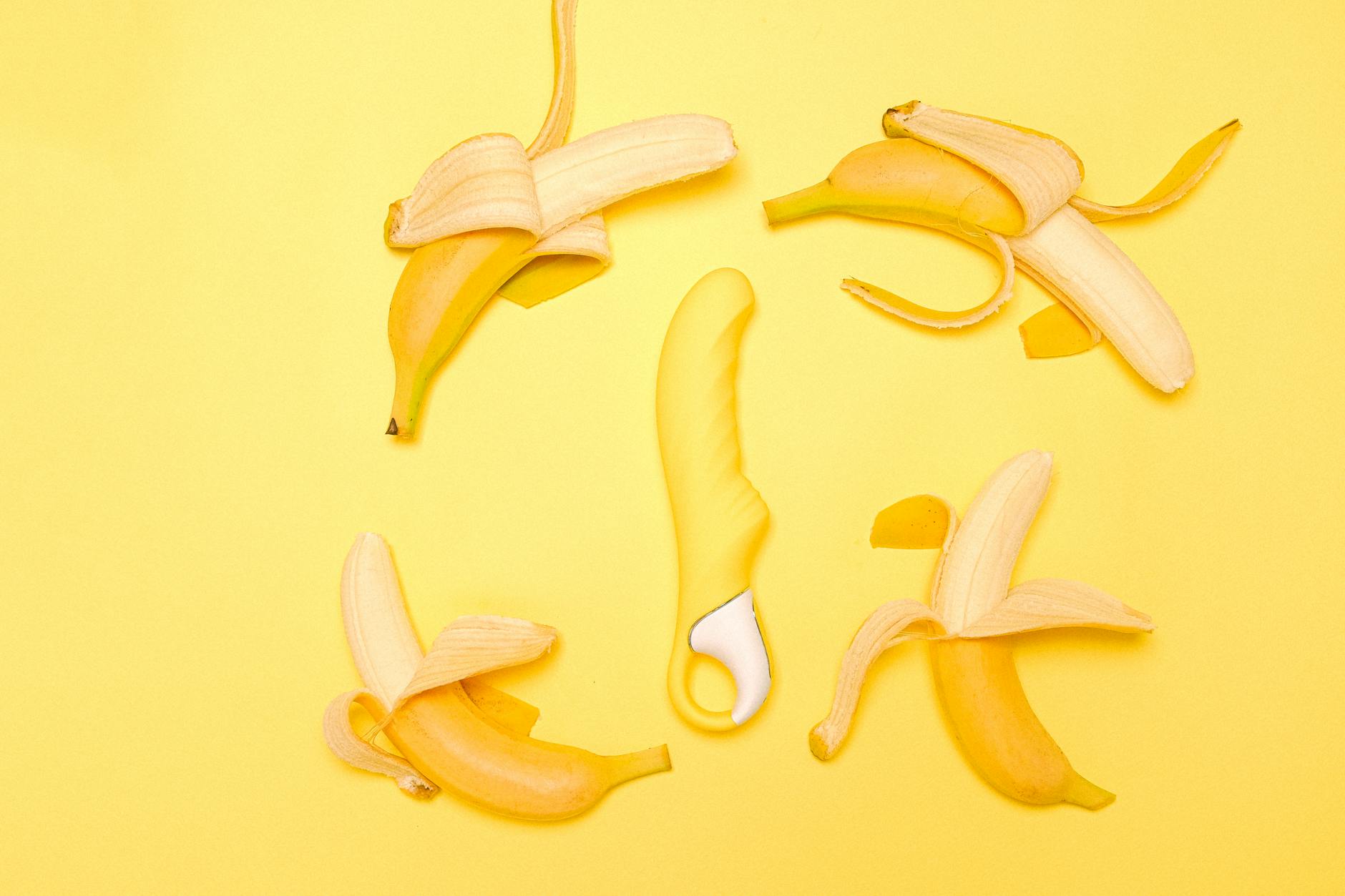
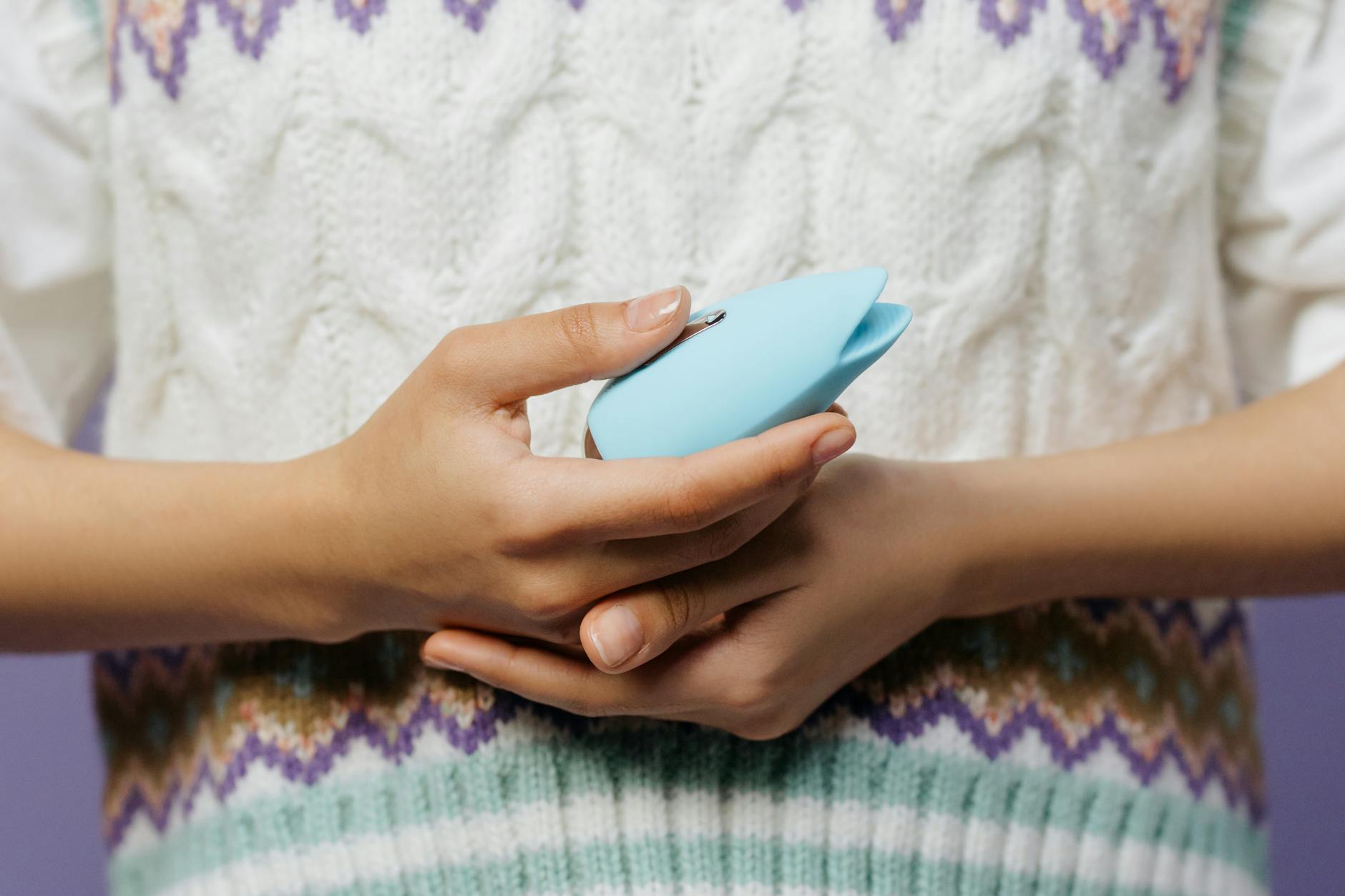
How to Use a Lemon Vibrator After Major Life Transitions
When divorce, relocation, or career upheaval shake your foundation, your body often gets left behind. Here's how to bring pleasure back into the picture.
You've just moved across the country. Your marriage ended. You changed careers. Your life looks nothing like it did six months ago. And somewhere in that chaos, your connection to your own pleasure went quiet.
This is more common than you'd think. Major life transitions hijack your nervous system. Your body is in survival mode. Pleasure feels like a luxury item you can't afford right now, which is exactly when your body actually needs it most.
When your world shifts, your stress hormones spike. Cortisol and adrenaline flood your system. These are useful for handling a crisis but terrible for arousal. Your brain deprioritizes pleasure because it's busy managing survival. The pelvic floor tenses. Blood flow redirects. Your capacity to feel anything below the belt drops dramatically.
Add in the emotional weight. After a major life change, you're grieving something. Even when the change is ultimately positive, there's still loss. Divorce means losing daily partnership. Relocation means leaving community. Career shifts mean losing identity. That grief lives in your body, and it makes you want to contract, not open.
Here's what I see most often: people try to push through. They think pleasure should resume on schedule. When it doesn't, they assume something's broken about them, which adds shame on top of grief.
Nothing is broken. You're just navigating a phase.
When your body is dysregulated, you need something that speaks to it in simple language. Lemon vibrators work particularly well during transitions because they bypass the overthinking brain entirely. They're direct, they're fast, and they require almost zero emotional labor.
Here's why this matters. Most vibrators demand a certain arousal level before they feel good. Lemon vibrators, with their suction-based technology, work with a lower baseline. You don't need to already be turned on. You don't need to want it. You can be numb and stressed and tired, and a Lemon vibrator will still light up the nerve pathways in your clitoris.
It's a nervous system reset. Not a transcendent experience. Just a reminder that your body can still feel good.
After major life change, the worst thing you can do is set expectations. Don't tell yourself you're going to have mind-blowing orgasms. Don't make it a project. Make it a ritual.
A ritual is small, repeatable, and low-stakes. It's the opposite of performance pressure.
Here's what that looks like practically:
Start with one consistent time and place. Tuesday nights after dinner. Sunday morning in bed. The specific time matters less than the consistency. Your nervous system craves predictability when everything else is chaos.
Set a timer for ten minutes. Not because you need to rush, but because a timer releases you from the pressure to "accomplish" anything. When you know there's an endpoint, your brain relaxes.
Use the lowest setting on your Lemon vibrator first. This is not a speed run to orgasm. This is rewiring your body to remember that sensation feels safe. Let patterns 1 and 2 be enough.
Add zero goals. You're not aiming for arousal. You're not aiming for orgasm. You're aiming for ten minutes where your body gets to feel something other than stress.
This is genuinely revolutionary when you're in transition. You're practicing the skill of receiving pleasure without it having to mean anything or lead anywhere.
There's usually a secondary layer of resistance here that has nothing to do with your body's mechanics.
After a major life change, especially one involving loss, a lot of people feel like pleasure is disrespectful to the thing they lost. If your marriage ended, touching yourself can feel like betrayal of that partnership, even if you initiated the split. If you've relocated, pleasure feels frivolous when you're grieving your old life.
I want to name this directly: your pleasure is not a betrayal. It's a reclamation. Every time you use a Lemon vibrator, you're telling your nervous system, "We survived. We get to feel good again." That's not disrespectful to grief. That's a conversation with your body saying, "Both things are true. We can miss what was AND remember that feeling good is still possible."
Your body probably hasn't felt much in weeks. The pelvic floor is locked. The clitoris is essentially asleep. You're not bringing a dormant system back online by being aggressive with it.
When you first start using your Lemon vibrator after a major life transition, follow this progression:
Week 1-2: External only. Patterns 1 and 2. Five to ten minutes. The goal is sensation, not response. You're waking up nerve endings that have been offline.
Week 3-4: Expand to patterns 3 and 4. You might notice a slight shift in how your clitoris responds. You might not. Either is fine. The progress here isn't about sensation escalating. It's about your body remembering that pleasure exists.
Week 5+: You can move faster if you want. By now, your nervous system has usually started to regulate. Your pelvic floor is less locked. Blood flow has improved. Some people find they're ready for higher patterns. Some never care about going faster. There's no "should" here.
The progression isn't linear. Some days your body is completely closed off. Some days the same vibrator pattern feels incredible. That's not failure. That's just what regulation looks like.
During life transitions, your body might not produce much natural lubrication. This isn't a sign that something's wrong. It's a sign that your stress response is suppressing some normal functions.
Use a water-based lubricant from the beginning. Even if you feel like you don't need it, use it. It changes the sensation completely. It also removes the variable of "Did I fail to get wet?" which adds pressure you don't need right now.
The right lube also makes physical sensation more comfortable, which means your nervous system isn't wasting energy managing discomfort. That energy can go toward actual pleasure.
If you're in a relationship during a major life transition, or considering reconnecting with a partner, the absolute best thing you can do first is get comfortable alone. Let your Lemon vibrator be your solo practice ground.
Why? Because when you're stressed, sexual responsiveness becomes performative. You need to prove to your partner that you're okay. You perform arousal. You perform orgasm. None of that is actually healing.
When you practice alone, you get to fail privately. You get to feel numb and not have to explain it. You get to remember what your body feels like without anyone else's response making it mean something about your relationship.
Once you've had a few weeks of solo practice, partnered pleasure becomes additive, not the main event.
After life transitions, your baseline changes gradually. You might notice that after three weeks, the vibration that felt shocking now feels pleasant. That's literally your nervous system downregulating.
Keep a one-sentence note each time you use your Lemon vibrator. Not a journal. One sentence: "Patterns 1-2, felt good today" or "Completely numb, that's fine." In a month, you'll have a map of what's actually shifting. That map is proof that your system is healing, even when it doesn't feel like it.
If after four to six weeks of consistent practice your body still feels completely closed off, that's the moment to check in with a therapist or sex educator. Not because something's wrong with you. Because life transitions can activate old trauma or grief that's bigger than pleasure. A professional can help you understand what's underneath.
Similarly, if you notice that pleasure is becoming a way to numb out from the transition (using your Lemon vibrator four hours a day instead of processing emotions), that's worth discussing with someone.
Pleasure should feel like a return to yourself, not an escape from reality.
Major life transitions don't end on a schedule. You don't wake up one day "back to normal." Instead, you wake up and realize that normal has shifted. Your new place feels like home. The relationship ended but you're healing. Your career pivoted but you're building something.
Pleasure follows that same arc. It doesn't snap back. It gradually returns, sometimes in surprising ways. A Lemon vibrator is the tool that lets you practice that return without pressure. Every time you use it, you're literally retraining your nervous system to believe that safety and sensation can coexist.
You get to feel good again. Not because the transition is over, but because you're learning to live inside it.
There's no standard timeline, but most people notice meaningful shifts in eight to twelve weeks of consistent solo practice. That assumes you're also addressing the practical and emotional sides of your transition. If you're still in active crisis mode (mid-divorce, mid-relocation), pleasure recovery takes longer. Your nervous system needs the external chaos to settle first. If you're three months past the major event, eight to twelve weeks is reasonable. If you're still in week two, give yourself four to six months.
Absolutely. Actually, many of the medications that help with anxiety can dampen sexual response, which is frustrating because that's when you need pleasure most. A Lemon clitoral vibrator can help bypass that dampening because of how directly it works. That said, talk to your prescriber about it. Some adjustments in timing or dosage might help. Never skip doses to try to "fix" sexual response.
It depends on your relationship and the transition. If you're both stressed and your partnership is stable, it's usually worth mentioning. "I'm doing some solo work to reconnect with my body during this chaos." If the transition is the relationship itself (separation, moving apart), that's a different conversation. Solo pleasure is your own business. You don't owe disclosure. If you're rebuilding a relationship after something fractured it, using a Lemon vibrator is actually a foundation-building step. It proves to both of you that your body can still feel good, which is essential before partnered intimacy resurfaces.
Guilt is the most common emotion here. Your brain is telling you that you should be suffering, grieving, or fixing things, not experiencing pleasure. That's exactly backwards. Pleasure is how your nervous system heals. You're not being disrespectful to your loss or your grief by feeling good. You're also not choosing pleasure over processing. You're doing both. The Lemon vibrator becomes a tool for that processing. Every time you feel good despite everything, you're proving to yourself that life contains both hardship and sensation.
Yes. Actually, especially then. Grief and pleasure don't cancel each other out. They coexist. You can miss your old life and also feel your body wake up. You can be sad about a divorce and aroused by a vibrator at the same time. Those emotions seem contradictory, but they're not. Your body is complex enough to hold both. Using a Lemon vibrator during grief is actually a way of saying, "I'm still here. My body is still here. And it deserves to feel good, even though everything else is falling apart."
Not really. A Lemon vibrator isn't a training wheel that you graduate away from. It's a tool you might use more intensely while you're healing, and then integrate into your regular rotation. Some people use it consistently for years because they like it. Some people discover they use it mainly during stressful periods. There's no "graduation" where you're supposed to abandon it. You've successfully healed when pleasure starts to feel optional again, not desperate or forced. That might mean you use your Lemon vibrator once a week instead of every night. Or it might mean you still use it regularly because you like how it feels. Both are healed.
Major life transitions shake everything. Your identity, your routine, your sense of stability. It's reasonable that your sexual self gets shaken too. What's important is that you don't let that disconnection turn into permanent numbness.
A Lemon vibrator is a small tool for a big reclamation. It says, "My body still exists. My pleasure still matters. I'm still here." That's the foundation everything else is built on.
If you're ready to start rebuilding your relationship with pleasure after a transition, or if you want to talk through what that process looks like for your specific situation, reach out. That's what I'm here for.