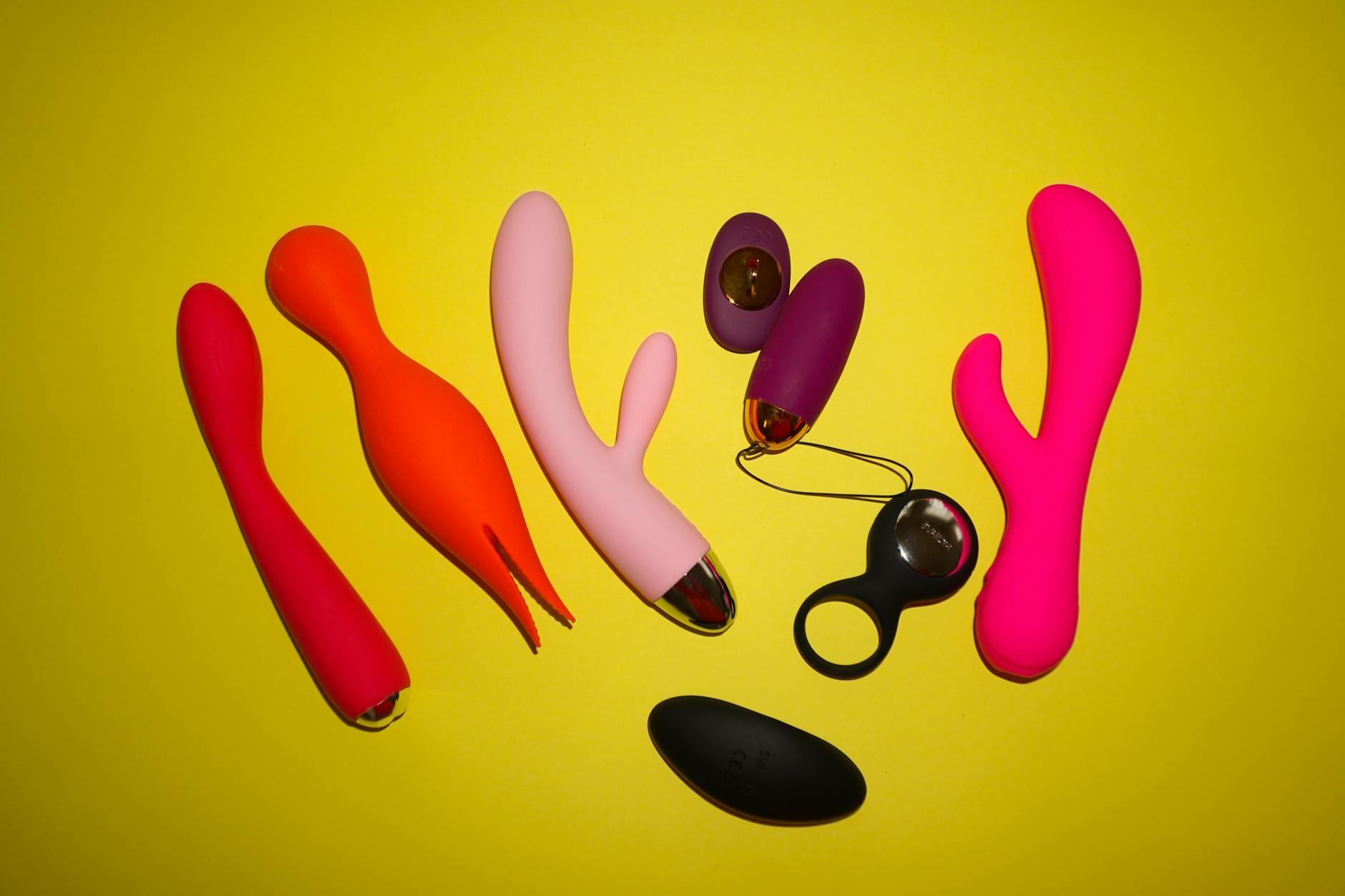
How to Use a Lemon Vibrator for Better Pleasure After Giving Birth
Your body doesn't bounce back the same. Here's how lemon clitoral vibrators help you rebuild sensation, reclaim intimacy, and feel good again when you're ready.
After birth, pleasure feels different. Sometimes it doesn't feel like much of anything at all. That's not a glitch in the system. That's your nervous system recalibrating, your pelvic floor learning how to function again, and your brain trying to keep up with a human who's now screaming at 3 a.m. All of that is normal.
But normal doesn't mean you're broken, and it definitely doesn't mean pleasure is off the table forever. What it means is that your body needs a gentle, patient reintroduction to sensation. That's where lemon clitoral vibrators come in. Unlike traditional vibrators that demand immediate, intense response, the suction technology in tools like the Lem works with your nervous system rather than against it, making pleasure accessible again when everything else feels numb or overwhelmed.
Let's start with the physical reality nobody warns you about. Birth trauma (and yes, all birth is trauma to the body, vaginal or surgical) creates inflammation in the pelvic floor, reduces blood flow to genital tissue, and alters how nerves communicate with the brain. Add postpartum hormones (estrogen tanking, prolactin surging if you're breastfeeding), sleep deprivation, and touch fatigue from holding an infant all day, and pleasure feels genuinely unreachable.
Your clitoris is still there. The nerve endings are intact. But the neural pathways that used to light up at the thought of intimacy are currently occupied. They're managing pain, processing overwhelm, and keeping you alert for your baby's needs.
This isn't permanent. But trying to push through it with a traditional vibrator often backfires. The intense, sustained pressure can feel jarring to tissue that's already sensitive. It can trigger numbness instead of sensation. And when you're already touch-starved and overwhelmed, numbness feels like another failure.
Lemon vibrators work differently. The suction and pulsing pattern mimics the gentle, varied stimulation your body actually responds to in the postpartum phase.
First: there's no timeline. Medical clearance is a floor, not a finish line. Your GP might clear you for sex at six weeks. Your nervous system might need six months. Both are normal.
Signs you're genuinely ready to explore pleasure again (not just duty sex with your partner):
You've had at least one night where you slept four hours straight
Casual touch from your partner doesn't make you flinch
You've gone at least one day without thinking about your stitches or soreness
You feel curious about something, anything, that isn't caregiving
You can imagine wanting pleasure without immediately feeling guilty
If you're there, exploring with a lemon clitoral vibrator alone first is the gentlest entry point. Solo play lets you rebuild trust with your own body without the pressure of a partner's expectations.
Start at the lowest setting. Seriously, even lower than you think you need. Your sensitivity has likely increased, not decreased. What felt mild before birth can now feel intense.
Use water-based lubricant generously, even if things feel wet enough. Postpartum tissue is often thinner and more fragile than pre-pregnancy tissue. Lubrication reduces friction and signals safety to your nervous system.
Begin with the vibrator against the outer labia, not directly on the clitoris. Spend 10-15 minutes here without any goal of orgasm. The goal is sensation and presence. Your nervous system needs to remember that touch can feel good, not just functional.
If you want to progress inward, move slowly. The sensation from a lemon vibrator's suction (which Hello Nancy's Lem design delivers through its clitoral vibrator technology) is different from the pressure you're used to. It can take time to adjust.
Stop if anything hurts. Pain is not part of recovery. Pressure, heaviness, soreness, or discomfort is a sign to pause, add more lubricant, or come back another day.
Week one to two: Numbness. That's okay. Your body is learning that pleasure is an option again.
Week three to four: Brief flickers of sensation. Tiny moments where something feels almost like it used to. Don't chase it. Notice it and move on.
Week five to eight: Longer moments. Occasional sensation that builds and then fades. Some sessions will feel great. Some will feel like nothing. Both are progress.
Week nine and beyond: Pleasure that feels closer to familiar, or sometimes completely different and equally good. This is the phase where many people report that postpartum orgasms, when they come, feel more textured, more localized, or just different in a way that's neither better nor worse than before.
The timeline isn't linear. Hormones swing. A rough night with the baby resets your nervous system. Stress from your partner, family pressure, or body image stuff can shut sensation off completely. That's not weakness. That's how the nervous system actually works.
Solo exploration first gives you the information you need before adding another person to the mix. You get to learn what your body responds to without performing or managing someone else's feelings.
Once you've had a few solo sessions and things are starting to feel less numb, bringing your partner in can be grounding if the relationship is solid. But here's the critical part: this isn't about "fixing" your libido or proving you still desire them. It's about rebuilding intimacy.
Have the conversation before you're in bed. Tell your partner: "I'm exploring what feels good in my body again. I want you here, but I need it to be low-pressure. No expectation of anything more than pleasure." That changes everything. It moves you from performance to presence.
Many partners feel sidelined postpartum. Using a lemon vibrator together can actually restore connection because it's not about comparing yourself to them or having an outcome. It's about noticing sensation together. It's about touch that's separate from baby maintenance.
Guilt is the biggest barrier I see. You feel like you should want your partner immediately. You should want sex by now. You should feel sexy again. Those shoulds are lies, and they will block pleasure faster than anything else.
Postpartum pleasure isn't selfish. It's maintenance. Your nervous system needs it. Your relationship needs it. Your sense of yourself as a whole person (not just a feeding machine) needs it.
Body image stuff gets louder postpartum. Your stomach looks different. Your breasts might feel unfamiliar. The scar tissue or stitches or bleeding remind you that your body went through something major. Those feelings are real and also not reasons to deny yourself pleasure. Pleasure isn't a reward for looking a certain way. It's a biological right.
The physical numbness from estrogen depletion (especially if you're breastfeeding) feels personal. Like your body is rejecting sensation on purpose. It's not. Estrogen will return. In the meantime, lemon clitoral vibrators work because they don't require the same tissue responsiveness that traditional vibrators demand. They work with reduced sensation instead of fighting it.
Your pelvic floor did a lot. Whether you pushed for three hours or had a surgical birth, those muscles are tired. Kegels are fine, but they're not the only answer, and they can actually backfire if your pelvic floor is already tense and guarded.
The best thing you can do for pelvic floor recovery during pleasure exploration is to focus on relaxation, not strengthening. That means conscious breathing. That means noticing if you're clenching and gently releasing. That means stopping if sensation feels blocked by tension.
When you use a lemon vibrator with attention on your breath, you're retraining your pelvic floor to associate pleasure with relaxation instead of gripping. That changes everything about what orgasm feels like moving forward.
Here's the thing about postpartum intimacy: it usually needs to start with non-sexual touch. That's not romantic advice. That's nervous system science.
Before you attempt anything that resembles traditional sex, spend weeks (yes, weeks) on kissing, hand-holding, maybe some external touch. Let your partner know you're rebuilding connection, not ready for penetration yet. That boundary actually makes it easier to relax.
When you do explore partnered pleasure with a lemon vibrator, let it be the main event. Not foreplay. Not a warmup. The vibrator is the thing you're both focused on. That takes performance pressure off completely.
Many couples find that using the Lem together brings a tenderness back to their relationship that got lost in the chaos of new parenthood. There's something about focused pleasure (with no expectation of orgasm or further activity) that softens both people.
Your brain is the biggest barrier to pleasure postpartum. Even if your body is ready, your mind might be running through the mental checklist: Is the baby asleep? Did I pump enough? Is this selfish? Should I be doing laundry instead?
That mental noise is normal and also totally manageable with intention. Set boundaries. If your partner is home, hand them the baby for 30 minutes. Set a timer. Having a defined end point makes it easier to actually be present because you're not worried about missing something.
Some people find that a consistent time (same evening each week, same time) helps their nervous system ease into the shift from caregiving mode to pleasure mode. The ritual itself becomes calming.
Physical anchors help too. Lighting a specific candle. Using a particular blanket. Playing soft music. These don't have to feel romantic. They just need to signal to your nervous system: "This is a different mode. This is okay."
If sensation hasn't started returning by four months postpartum, or if pain is still a factor, see a pelvic floor physical therapist. Not your GP. Not your OB. A pelvic floor PT can actually assess what's going on with the muscle and tissue and give you targeted exercises. That's not something talk therapy fixes.
If the numbness is emotional rather than physical (you want to want pleasure, but you can't access the feeling), a postpartum doula or therapist can help sort through that. Postpartum depression and anxiety absolutely tank libido, and they're treatable.
If your relationship feels strained, don't wait. The resentment that builds around postpartum intimacy is real and deserves professional attention. A couples therapist can help you both understand that this is a phase, not a permanent state.
Your body didn't break. It reorganized. Pleasure isn't gone. It's temporarily offline and then comes back different, often richer and more nuanced than before. Many people tell me their first orgasm after birth is the most intense they've ever had because they've had to get completely still and present to access it.
Using a lemon clitoral vibrator during postpartum recovery isn't about rushing back to where you were. It's about meeting your body where it actually is and building a new relationship with pleasure that fits your current life. That might look completely different from before. It also might feel better.
Your pleasure matters. Not because your partner needs it or because you're supposed to want it. Because you're a whole person, and your nervous system deserves to remember that sensation and joy are still possible even in the middle of the hardest season of parenthood.
Medical clearance from your doctor is the starting point, usually around six weeks postpartum. But clearance and readiness are different things. Your nervous system might need longer. Most people find that around 12-16 weeks postpartum, when sleep is slightly less terrible and some hormone stabilization has started, is when exploration feels genuinely possible rather than forced. Start solo and see what your body tells you. There's no "should" timeline.
Yes, and it might actually help. Breastfeeding tanks estrogen, which directly reduces sensation and desire. A lemon clitoral vibrator doesn't require the same tissue responsiveness or hormonal cooperation that traditional vibrators do. Solo exploration with a Lem can help your nervous system remember pleasure is possible, even while hormones are depressed. It's not about forcing desire. It's about gently inviting sensation back.
Start completely solo. Your partner doesn't need to be in the room or aware you're doing this. Solo exploration lets you rebuild trust with your own body without anyone else's energy or expectations in the space. Once you've had several solo sessions and sensation is returning, you can gradually involve your partner. But the foundation has to be you and your body first.
Not even slightly. It means you're prioritizing your own nervous system recovery and sexual health. Many relationships actually strengthen when couples explore pleasure together or individually during postpartum recovery because it takes the pressure off and makes intimacy feel like presence rather than obligation. If your partner feels threatened by a vibrator, that's worth talking through, but it's not a sign the relationship is broken.
Straightforward: "My body feels numb, and I want to gently explore pleasure again. I'm going to try this tool that works differently than traditional vibrators. I'd like your support, but I might need solo time first." Most partners are relieved because it means you're taking ownership of your pleasure rather than putting that burden on them. The Lem is designed to be approachable and less intimidating than other options, so naming it specifically can help.
Absolutely. C-section recovery is different (abdominal scar tissue, different pelvic floor patterns), but the nervous system goes through the same postpartum recalibration. A Lem works wonderfully for C-section recovery because it doesn't require internal stimulation or deep penetration. Start solo, use plenty of lubrication, and listen to your scar tissue. It'll tell you when it's ready.
If you're exploring pleasure again postpartum and feeling stuck, start here: one solo session with your lemon vibrator at the lowest setting, no goal except presence. Notice what you notice. Your body knows what it needs. You're just learning to listen again.
If the numbness isn't easing or if you need support thinking through the relational side of postpartum intimacy, reach out to talk through what's happening. You don't have to figure this out alone.