How to Use a Lemon Vibrator for Better Sensation After Hormonal Changes
Your body didn't lose the capacity for pleasure. It just needs different input. Here's what actually changes and why lemon clitoral vibrators work so well when hormones shift.
Your body changed. Not in a bad way. Just... different. Arousal takes longer. Sensation feels muted in spots that used to be reliably responsive. Maybe orgasms feel shallower, or they arrive late, or they don't arrive at all. You're not broken. Your tissue composition and nerve sensitivity shifted, and that's a completely normal response to hormonal change.
Here's what matters: the neurological pathways for pleasure are still there. The clitoral nerve density hasn't changed. Your brain's capacity for sensation and orgasm is intact. What changed is how quickly your body floods those pathways with the right kind of stimulation.
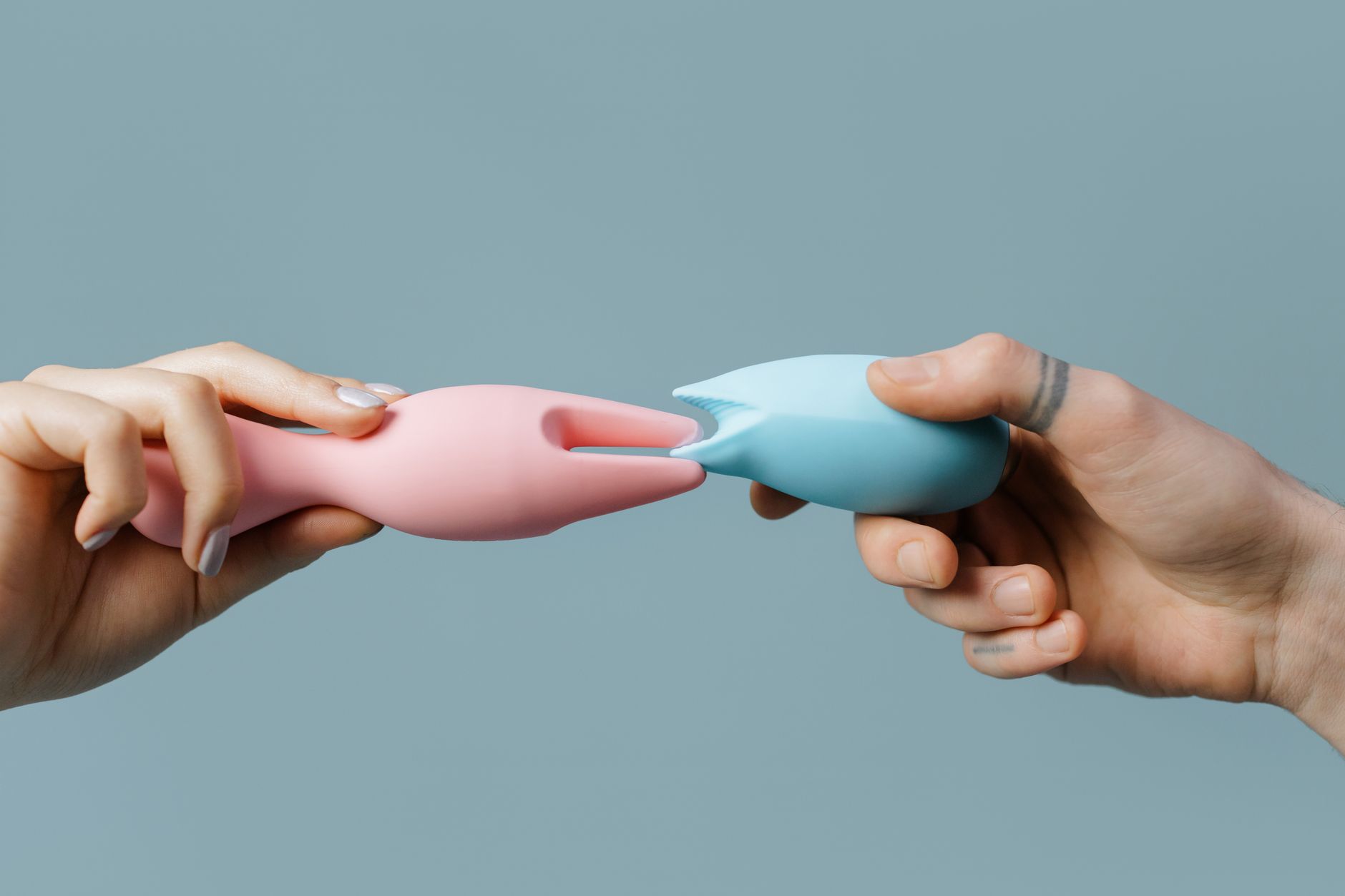
That's where a lemon clitoral vibrator, specifically an air-suction device like The Lemon, becomes genuinely useful. Not as a workaround. As a tool that meets your current body where it actually is.
When hormones change, estrogen typically drops. This affects tissue thickness, blood flow to the vulva, and natural lubrication. Testosterone also decreases, and that matters because testosterone drives desire in everyone with ovaries. The pelvic floor loses some of its estrogen-dependent support, which can change how sensations register and how orgasms feel.
But here's the part nobody explains well: none of this means you've lost sensation. It means the pathway to sensation requires different pressure, different timing, different stimulation patterns.
Think of it like this. You used to get results with a traditional vibrator set to medium intensity for 5 minutes. Now that same approach feels either too intense on sensitive tissue or not intense enough to break through to sensation. Neither outcome is normal for your body anymore. You're using yesterday's settings on today's hardware.
Most traditional vibrators rely on sustained, direct mechanical vibration. That's fine when tissue is thicker and less sensitive. After hormonal change, that same direct friction can feel overwhelming or can numb sensation further instead of building it.
Air-suction technology, like the technology in a lemon clitoral vibrator, works differently. It creates a gentle seal and uses subtle pulses of suction rather than buzzing vibration. This approach has three major advantages after hormonal shifts:
1. It stimulates without direct pressure. The suction engages nerve endings without the mechanical grinding that can feel raw on thinner, more sensitive tissue. You get intensity without the friction fatigue.
2. It builds sensation gradually. Because suction works through the gentle seal rather than through surface vibration, you can feel arousal building in stages. Early patterns feel like teasing. Mid-range patterns feel like building pressure. Higher patterns create that sustained intensity that can drive orgasm. That graduated pathway matters when your body is relearning response.
3. It's safer for sensitive clitoral skin. After hormonal change, the clitoral hood becomes thinner. Traditional vibrators can irritate or numb that tissue. Suction disperses stimulation across a wider area, which means you get strong sensation without localized irritation.
Using a lemon vibrator effectively after hormonal change isn't complicated, but it does require adjusting your expectations about timing and intensity.
Start lower than you think you need. Patterns 1 through 3 on The Lemon aren't "warm-up" intensity. They're often the working intensity post-hormonal change. Many people find that patterns 4 through 6 are where deeper sensation lives. Don't skip the early patterns because they feel too gentle. Your body is still learning to respond.
Budget 15 to 25 minutes, not 5. This isn't because something is wrong. It's because arousal cascades differently after hormonal change. Your body needs more time for blood to pool, for nerves to warm up, for sensation to layer. Rushing to pattern 6 in the first minute defeats the entire point. Let the early patterns do their job.
Use water-based lubricant always. Thinner tissue benefits from external lubrication. A small amount of good water-based lube around the vulva, not inside, makes a dramatic difference in how sensation registers. It also protects tissue that's less naturally lubricated.
Experiment with the seal position. The suction seal is part of what makes air-suction lemon vibrators work. Positioning matters. Slightly off-center often works better than dead-center. If sensation feels numb, move the seal up slightly toward the clitoral hood. If it feels too intense, back it down a millimeter.
Not all sensation shifts the same way. Understanding which sensations are available to you right now prevents frustration.
Clitoral sensation often dulls first. The external clitoris loses some direct responsiveness. But the clitoral body extends internally. Air-suction stimulation activates both the external clitoris and the internal clitoral structures, which can feel different. Some people describe it as deeper, less pointed, more diffuse. That's not worse. It's a different sensation profile that can be intensely pleasurable once you adjust to it.
Orgasms often feel different in shape and intensity. Post-hormonal change, orgasms sometimes feel less like a sharp peak and more like a rolling wave. Fewer muscular contractions, sometimes less noticeable, but absolutely still there. If you're waiting for your body to orgasm "the old way," you'll miss the orgasm that's actually happening. Lemon clitoral vibrators are excellent at extending sensation long enough for that rolling pattern to fully register.
Sensation can become more erratic. Some sessions feel responsive. Others feel numb for no obvious reason. Stress, sleep, hydration, time in your cycle if you're still cycling, medication timing, all of it affects post-hormonal sensation more than it did before. Don't interpret variability as permanent change. Your body is still recalibrating.
I work with people navigating hormonal change regularly, and these tweaks come up constantly.
If sensation feels completely absent: You're probably starting too high on the intensity scale or not using enough lube. Drop to pattern 1 or 2 and add more lube. Spend 10 minutes there before moving up. Sensation often arrives in the second 10 minutes, not the first.
If sensation feels sharp or uncomfortable: Try a different seal position, reduce intensity by one or two patterns, or reduce lube slightly. Sometimes too much lube creates an inconsistent seal. Sometimes the seal position is pinching sensitive tissue. Small adjustments compound.
If you're not reaching orgasm: This is normal post-hormonal change. Your body might need the entire range of patterns, working from 1 through 6 over 20 to 30 minutes, to build to orgasm. Or your body might need a partner's touch combined with the lemon vibrator. Or you might need to shift your definition of orgasm entirely. None of those are failures.
If you feel frustrated that sensation is different: That's grief. Hormonal change means grieving the sensation you used to have while learning to enjoy the sensation available now. Both can be true. You can miss the old response and love the new one.
If you share a bed with someone, hormone-related sensation changes affect both of you. Navigating that requires honesty that feels vulnerable.
Your partner likely knew something changed. They might be worried it's about them. It's not. It's chemistry. Explaining that separation clearly saves you both from spending six months in a fog of unspoken concern.
The lemon clitoral vibrator can be a solo tool or a couples tool. If you want to bring your partner in, consider using it during foreplay together. Many people find that having a partner present while using a lemon vibrator builds intimacy because sensation usually arrives faster when there's external touch and attention happening too.
That said, solo exploration with the lemon vibrator first matters. You need to understand your own sensation before bringing someone else into the equation. That's not selfish. That's informed decision-making.
Let's be honest. Sensation shifting after hormonal change can feel like loss. Your body did something it's done reliably for years, and suddenly it doesn't. That's real. And it's also temporary and navigable.
Most people find that after three to six months of consistent exploration with the right tools, sensation stabilizes into a new normal. Not the old normal. A different normal. One that's often richer and more textured than what came before, once you stop measuring it against what used to work.
The lemon clitoral vibrator shortens that adjustment period because it meets hormone-shifted tissue in its current state rather than asking your body to perform at old specifications. That's not weakness. That's wisdom.
Plenty of people who've navigated hormonal shifts say their most satisfying sensation and orgasms arrived after the hormonal change, once they stopped fighting the change and started working with it. That can sound like a platitude. But clinically, it's accurate. Your capacity for pleasure didn't disappear. It relocated.
Sensation doesn't usually "return to normal." It stabilizes into a new baseline over three to six months. That stabilization happens faster with consistent exploration, good lube, patience, and tools designed for shifted tissue like air-suction lemon vibrators. If sensation hasn't stabilized in six months or feels progressively numb, that's worth discussing with a healthcare provider. Rarely, underlying conditions are at play.
No, not if you're using it correctly. The concern is actually the opposite. Using too much intensity too quickly, or using traditional high-vibration tools on tissue that's become more sensitive, can create temporary numbness. A lemon vibrator's gentler suction approach, used with adequate lube and lower starting intensity, typically restores sensation rather than worsening it. If numbness worsens after use, dial back intensity and duration.
Hormone therapy changes the timeline. If you're adding estrogen back into your system via HRT or patches, tissue gradually becomes thicker and more responsive again. That means you might need to gradually increase intensity from a lemon vibrator as months pass. Track what patterns feel good month to month. Your settings will probably shift upward, slowly, over time. That's normal recalibration.
For most people navigating hormonal shifts, yes. Air-suction lemon vibrators stimulate without the mechanical pressure that can overwhelm thinner tissue or create numb spots. That said, every body is different. Some people find they want both. A lemon vibrator for daily use and a gentler traditional vibrator for different moments. Experimentation matters more than absolute rules.
Absolutely. Hormonal change typically means longer arousal and longer time-to-orgasm. That's not a malfunction. It's a change in your body's physiology. Using a lemon vibrator across multiple patterns over 20 to 30 minutes usually accommodates that extended timeline. If you rush, you'll feel like something's wrong. If you breathe and spend time, orgasm arrives. Different doesn't mean broken.
Then try a different approach. Some people find that combining the lemon vibrator with manual touch from a partner, or using it alongside lower-intensity toys, works better than solo use. Others need to address other variables first. Sleep, stress levels, medication timing, general health. Sometimes sensation needs healthcare support, not just a new toy. That's not failure. That's gathering information.
Using a lemon clitoral vibrator after hormonal change isn't about forcing your body back to how it worked before. It's about meeting your body in its current state and discovering what pleasure looks like now. That process takes patience, lube, and the right tools designed for shifted tissue.
Your body didn't lose its capacity for sensation or orgasm. It changed the instructions for accessing both. The Lemon and similar air-suction lemon vibrators are specifically designed around how tissue responds to gentle suction rather than aggressive vibration. That design choice is why so many people find them helpful after hormonal shifts.
Your pleasure matters. Your current body matters. Neither requires an apology.