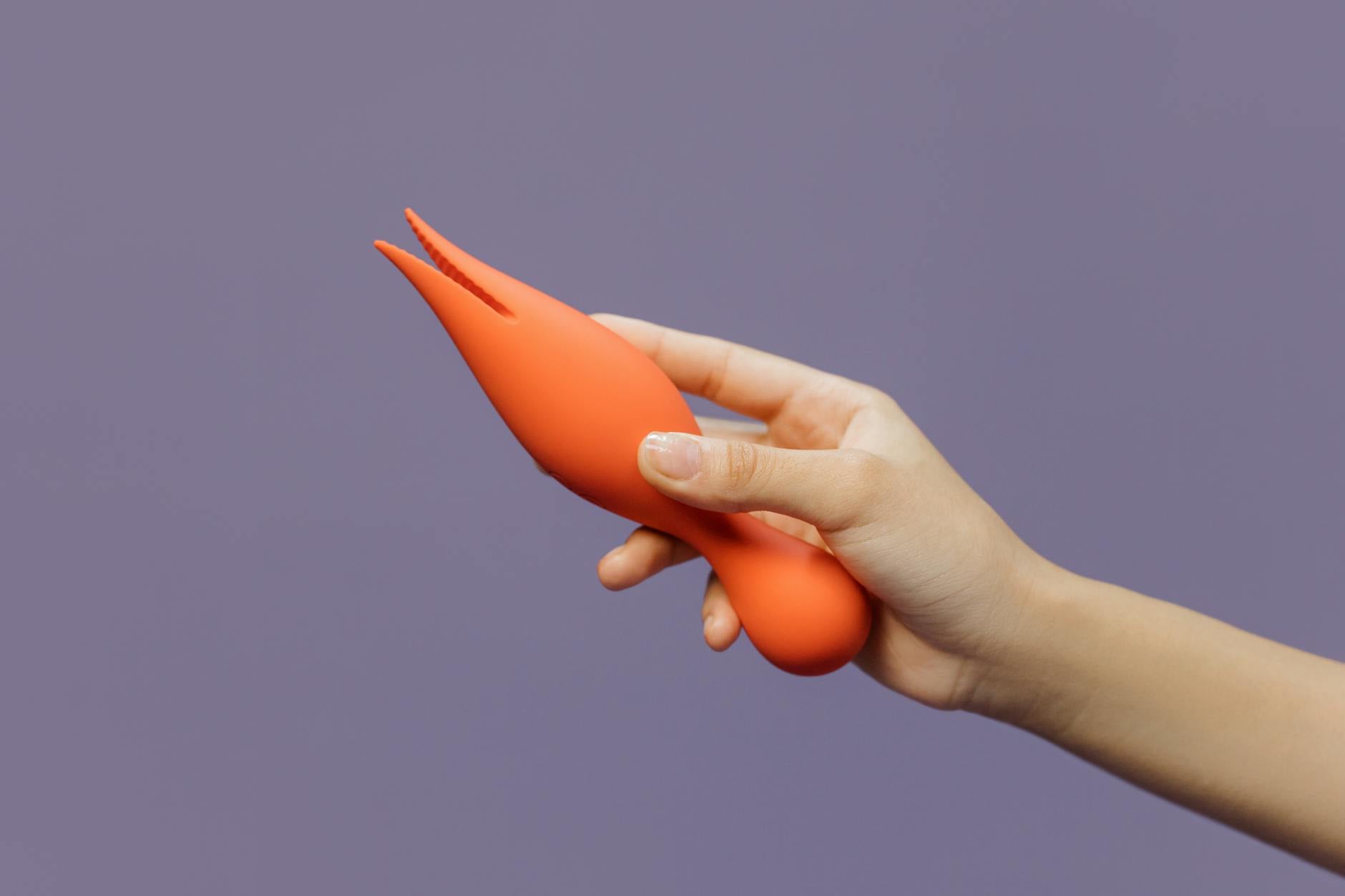
Mismatched desire in a relationship isn't a character flaw in either person. It's friction. Your body wants sex two or three times a week. Your partner's body is content with once every ten days or less. Neither of you is broken. But the gap between what you need and what they're offering creates a particular kind of loneliness that's hard to talk about without landing in blame.
Here's what I see in my practice: people try to solve this with guilt. They suppress their desire, bury it, hope it goes away. Or they push harder, initiate more, and watch their partner retreat further. Both strategies fail. A lemon vibrator doesn't fix desire mismatch. But it does give you a third option: meeting some of your own needs without waiting for your partner's availability.
That sounds simple. It's not. It requires rethinking what intimacy means to you both.
When your libido runs higher than your partner's, you're not just managing a physical need. You're managing rejection (or what feels like rejection), resentment, and a nagging doubt about whether you're still attractive to them. Your partner, meanwhile, often feels pressured, guilty, and like sex has become a task instead of a pleasure. Both of you end up in a loop where the thing that should feel connecting feels like the opposite.
The first thing I tell couples is this: desire mismatch is not about you. It's not about them. It's about the fact that humans have wildly different baseline libidos, and our culture trains us to believe that means something is wrong. It doesn't.
Your partner might have a lower baseline libido for a dozen reasons. Stress. Depression or other mental health shifts. Medications. Early-life experiences around sex. Hormonal fluctuations (yes, partners without ovaries have hormonal cycles too). Sometimes it's about the relationship itself. Sometimes it's got nothing to do with you or them. It just is.
A lemon sexual toy like the Lem works particularly well in this situation because it changes what sex means in your partnership. If the only way you get pleasure is with your partner, then your need for sex becomes their job. They have to perform for you. That's a lot of pressure, and it often makes the gap worse.
When you introduce solo play with a lemon clitoral vibrator, you're saying something different to your partner. You're saying: I'm not waiting for you to want what I want. I'm taking care of myself. This removes the pressure valve. Your partner no longer has to choose between disappointing you or having sex when they don't want it.
But here's the thing. This only works if your partner understands that using a lemon vibrator isn't about them failing you. It's about you choosing yourself. There's a conversation that has to happen first.
Don't bring this up mid-conflict or right after rejected sex. Choose a neutral moment. Sit down and name what you're noticing without blame. "I've realized our libidos don't match, and I've been handling it by pushing for more or pulling back into resentment. Neither of those works for either of us."
Then introduce the idea of solo play, but frame it correctly. Not as a Band-Aid. Not as a way to trick them into wanting sex more. Frame it as a way to meet your own needs so the gap between you doesn't become a relationship issue.
You might say: "I'm thinking about using a lemon vibrator for myself when I'm in the mood and you're not. This isn't about you. It's about me not wanting to build resentment by constantly asking for something you don't want."
Some partners respond with relief. They've been feeling guilty. Some respond with insecurity. "Why would you need that if I'm enough?" That's a real concern worth taking seriously. The answer is honest: because you are enough for me emotionally and in every other way, but our bodies have different needs right now, and that's normal.
Then listen. Listen to what they're worried about. Sometimes it's about feeling replaced. Sometimes it's about shame around their lower libido. Sometimes it's about misunderstanding what a lemon clitoral vibrator actually is and does. Address what you hear.
The mechanics are less important than the intention. Here's what I recommend.
First, create physical and temporal boundaries. Don't use your toy in shared spaces when your partner is home. This isn't because it's shameful. It's because you're creating a clear distinction between your solo pleasure and partnered pleasure. Your partner doesn't need to encounter the evidence constantly.
Second, pick a time when your need is high but your partner isn't available or interested. Not out of spite, but out of genuine discomfort. A lemon vibrator reduces that tension. The Lem's suction-based technology means you'll likely reach orgasm faster than with partner sex, which helps if you're using this as a release valve rather than a deep exploration.
Third, don't hide it. This matters. Shame grows in silence. Your partner knowing you have this tool is different from your partner being present during it. You can be matter-of-fact: "I'm going to take care of myself for a bit. I'll be back." No apology. No explanation beyond that.
Once you've established that solo play is part of your reality, you can actually have a healthier conversation about partnered sex. Because you're not drowning in unmet need, you can talk about what sex together actually is.
Sometimes this means scheduling sex. That sounds unromantic, but it's not. It's honest. Your partner knows the expectation, so they're not blindsided by an advance. You know sex is coming, so you're not in constant uncertainty. You can both actually want it when it happens.
Sometimes this means redefining what counts. Not every intimate moment has to be penetrative. Outercourse, oral, manual stimulation with a lemon clitoral vibrator together. Your partner might be interested in some things and not others. That's data. Use it.
Sometimes this means accepting that the frequency you want is genuinely higher than what your partner can offer right now. You'll manage that need solo. And that's okay. You're building a relationship where both of you get some of what you want rather than neither of you getting anything.
Listen for these patterns. If your partner's libido dropped after you started asking for more sex, the mismatch might be about feeling pressured. If it's accompanied by withdrawal in other areas of intimacy (touching, kissing, eye contact), there might be emotional distance underneath. If they've always had a lower libido but you're now feeling resentful, that's worth examining honestly.
A lemon vibrator is a tool for managing need, not for fixing relationship problems. If the mismatch is actually about unresolved conflict or emotional disconnection, you need to address that separately. A relationship coach or therapist can help you both understand what's actually happening underneath the libido gap.
The goal isn't to make your partner want sex as often as you do. That's probably not going to happen, and pushing for it will backfire. The goal is to build a relationship where you both feel sexually satisfied, even if that satisfaction doesn't look identical.
A lemon adult toy gives you autonomy. Your pleasure doesn't depend on your partner's availability or mood. That's powerful. But it only works if you're also doing the relationship work. Talking honestly. Listening without defensiveness. Letting go of the belief that low libido means low love.
Mismatched desire is one of the most common issues couples face. And it's one of the most solvable, if you're willing to rethink what sex means to both of you.
Possibly, if you frame it that way. But if you position it as managing your own needs rather than rejecting theirs, the opposite often happens. Your partner stops feeling guilty. That relieves pressure on them. Lower pressure often means they actually want sex more frequently. Not always, but often.
Absolutely. Some partners with lower baseline libido actually enjoy using a toy together because it removes the pressure to perform. You're exploring together. It's less about frequency and more about mutual pleasure. Start with conversation about whether this appeals to them before suggesting it.
As often as you need. There's no rule. Some people use theirs three times a week. Some use it whenever the urge hits. The key is that it's your choice, not something you do in secret or with shame. That transparency is what keeps it from becoming a wedge in the relationship.
Not if you both value connection. A vibrator is efficient. It gets you to orgasm. But it doesn't replace skin-to-skin contact, eye contact, or the emotional intimacy of being known by another person. Solo play and partnered sex serve different needs. Both matter.
That's worth exploring together. Sometimes it's about insecurity, and reassurance helps. Sometimes it's about deeper concerns around the relationship or their own body image. Don't minimize it. Listen. Answer questions honestly. Give them time. If the threat persists and becomes controlling, that's a larger relationship issue that therapy can help address.
It can reduce the immediate friction. But it's not a substitute for addressing why the mismatch exists. If it's stress or depression, those need treatment. If it's about the relationship, you need to reconnect. If it's just different baseline libidos, then yes, a lemon clitoral vibrator becomes a permanent part of how you manage that difference. And that's healthy.
Desire mismatch isn't about toys. It's about accepting that your partner's body works differently than yours, and that doesn't mean anything about how much they love you. A lemon vibrator gives you permission to meet your own needs. But the actual healing happens when you both agree that your different desires don't have to mean conflict.
Your pleasure matters. Your partner's boundaries matter too. Finding a way to honor both is the work. A lemon adult toy is just a tool that makes that work possible.