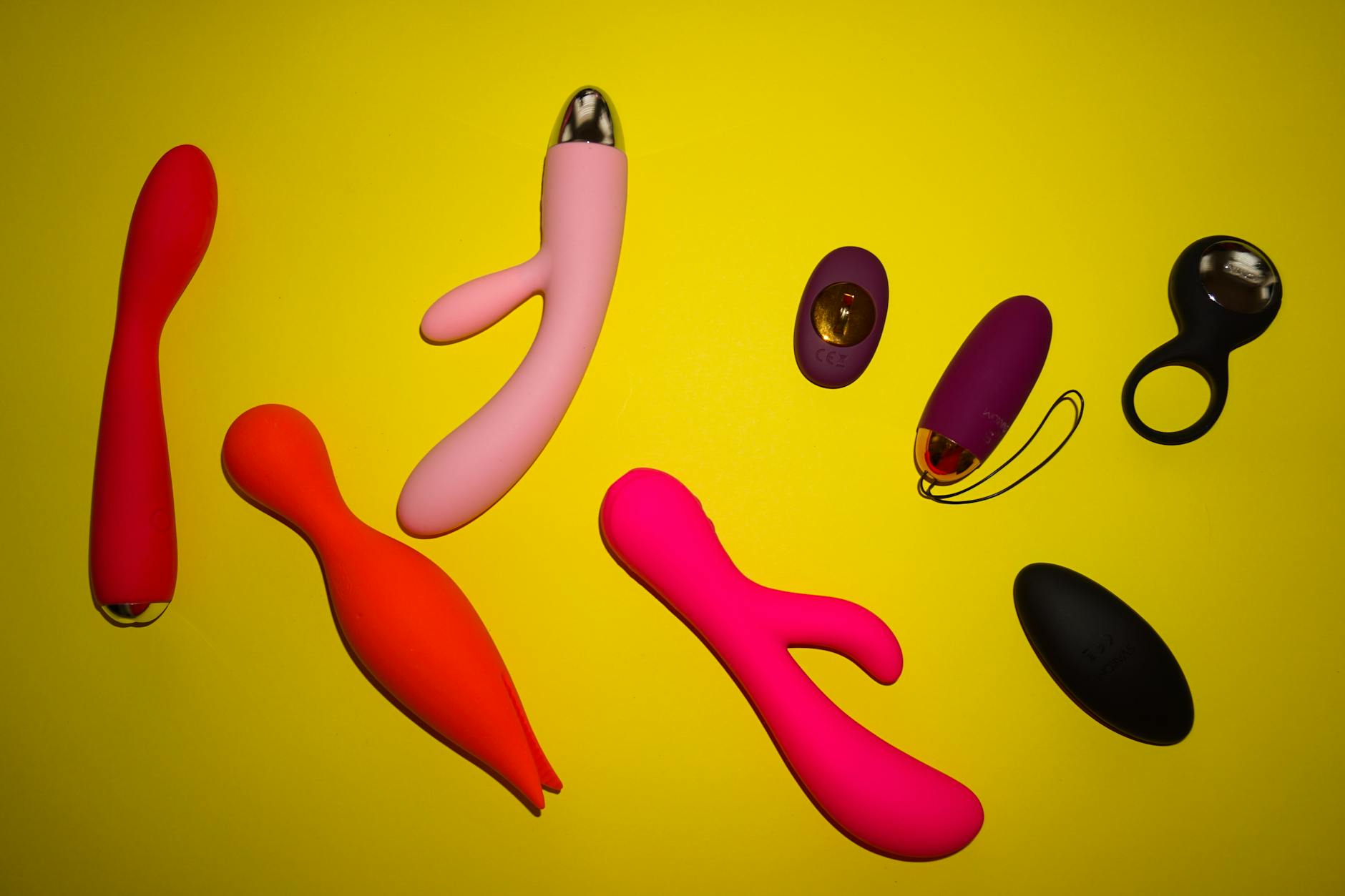
How to Use a Lemon Vibrator When Partners Have Different Refractory Periods
One of you wants round two. The other needs a break. A lemon clitoral vibrator isn't a compromise. It's the solution that lets both of you get what you actually want.
Refractory periods are real, they're different for everyone, and pretending they don't exist is a recipe for resentment. One partner orgasms and needs 20 minutes to recover. The other is ready to go again in three. One person feels done for the night. The other is just getting started. That's not a mismatch you talk through and solve. That's a difference you design around.
A lemon vibrator, specifically, changes this dynamic because it removes the dependency. You're not waiting for your partner's body to be ready. You're not putting them under pressure to perform when they're not physically capable. And you're not abandoning your own pleasure to match their timeline.
Refractory period is the recovery time your body needs after an orgasm before it can orgasm again. For some people it's five minutes. For others it's an hour or more. Gender doesn't predict it consistently. Age matters somewhat. But mostly it's individual variation and, honestly, on any given day it depends on stress, sleep, hydration, and what else is happening in your body.
The frustrating part: these differences don't usually align with how partnered sex is supposed to work. Traditional sex builds to mutual orgasm and then stops. When one person's refractory period is twice as long as the other's, that structure fails. Either you wait around feeling uncomfortable (pressure to perform, body cooling down, arousal dissipating), or your partner feels rushed and incomplete.
Neither is good. Both kill the ease that makes good sex good.
Unlike other sex toys, lemon vibrators work on suction and pulsation rather than intense vibration. This matters because suction creates a different kind of stimulation that doesn't rely on your partner's manual involvement or presence. While one partner recovers, the other can use a lemon vibrator independently. No coordination needed. No physical exertion. No waiting.
The other reason this works: lemon sexual toys like the Lem are discreet and integrated. Your partner doesn't feel sidelined or replaced. They can be touching you, kissing you, or just next to you while you use it. It's additive, not substitutional. It actually deepens the experience instead of interrupting it.
Most traditional vibrators feel clinical in this moment. A lemon clitoral vibrator feels intimate because it doesn't require one partner to switch into a performance role while the other switches into audience.
Here's what actually works with different refractory periods:
First, talk about it outside the bedroom. Don't try to solve timing problems mid-sex. When you're not naked and aroused, discuss what each person actually wants. Does the faster-recovering partner want another orgasm? Do they just want continued sensation? Does the slower-recovering partner feel obligated to participate, or are they genuinely satisfied and can relax? This conversation matters more than technique.
During sex, pay attention to your own body, not the clock. When you notice your partner's energy shifting, that's usually when they're entering their refractory period. Don't wait for them to announce it. You can simply transition. "I'm going to use my lemon vibrator for a bit" takes 15 seconds and requires zero explanation if you've already talked about it.
Position matters. If your partner is recovering, they can lie beside you, rest their head on your chest, or be inside you without thrusting. A lemon clitoral vibrator works well in all of these positions. Some partners like to use their hands or mouth on their recovering partner's body while the other uses the toy. Some just hold space together. Find what feels connected rather than performative.
Intensity and timing. The refractory period isn't a pause button. Your partner's arousal might be rebuilding even while they're recovering. You can have a second shorter round, or extend the first one. A lemon vibrator lets you explore this without the pressure of keeping your partner physically engaged.
Most couples don't discuss this until it becomes a problem. One person feels guilty for needing recovery time. The other feels rejected or bored. By then, the conversation is already tangled with emotion. Better approach: bring it up casually when you're actually good.
"Hey, I noticed sometimes you need a minute after. I was thinking it might be fun to use a lemon clitoral vibrator sometimes so we don't have to stop. Would that interest you?" This frames it as solution, not indictment. You're not saying "you're too slow" or "I'm bored." You're saying "I want more of this, and I want you to feel good too."
The partner with the longer refractory period often feels relief hearing this. They've probably felt pressure to bounce back faster. Suddenly they're not performing recovery. They're just recovering.
If one partner has never used a lemon vibrator during partnered sex, the first time can feel awkward. Start small. Use it solo first so you're comfortable. Then mention it during foreplay before you're both fully aroused. The goal is to make it feel as normal as a hand or a kiss, which takes familiarity.
Your partner might also have insecurity about it. "Does this mean you don't want me?" or "Will you prefer the toy to me?" These fears are common and usually invisible until they explode. Address them directly. "This lets me have more of what I want AND be with you at the same time. It's not an either/or."
Most partners relax once they experience it. Watching your partner use a lemon clitoral vibrator, especially if they're already warm and connected to you, is often hotter than they expected.
Mismatched refractory periods expose something couples usually don't talk about: the assumption that good sex means simultaneous orgasm and synchronized energy. It's one of the most damaging myths about partnered pleasure. Bodies don't work that way. Good sex usually means working with what's actually happening, not against it.
When you use a lemon vibrator to bridge different refractory periods, you're not just solving a logistics problem. You're saying "my pleasure matters, your pleasure matters, and we don't need to compress both into the same timeline to be together." That's actually better partnership than waiting.
It also teaches couples to think about pleasure differently. Sex isn't a single event with a discrete beginning and end. It's a range of sensations and connections. Your partner's orgasm isn't the finish line for yours. It's one moment in a longer conversation.
Will my partner feel left out? Only if you frame it that way. Most partners find it connecting because the pressure lifts. They can actually enjoy their own recovery instead of feeling guilty.
Do we need to set boundaries? Probably not formally, but check in occasionally. "Is this working for you?" beats assuming.
What if my partner wants to use it instead of me? That's fine. There's no scarcity of pleasure. If you both want to use a lemon vibrator at the same time, go for it.
Refractory periods aren't a flaw in your relationship. They're a reality your bodies are telling you about. A lemon clitoral vibrator isn't a workaround for bad sex. It's a tool for good sex that actually honors how both partners actually work. Use it, talk about it, and let it take pressure off both of you. Your pleasure and their pleasure don't have to operate on the same schedule. They just both matter.