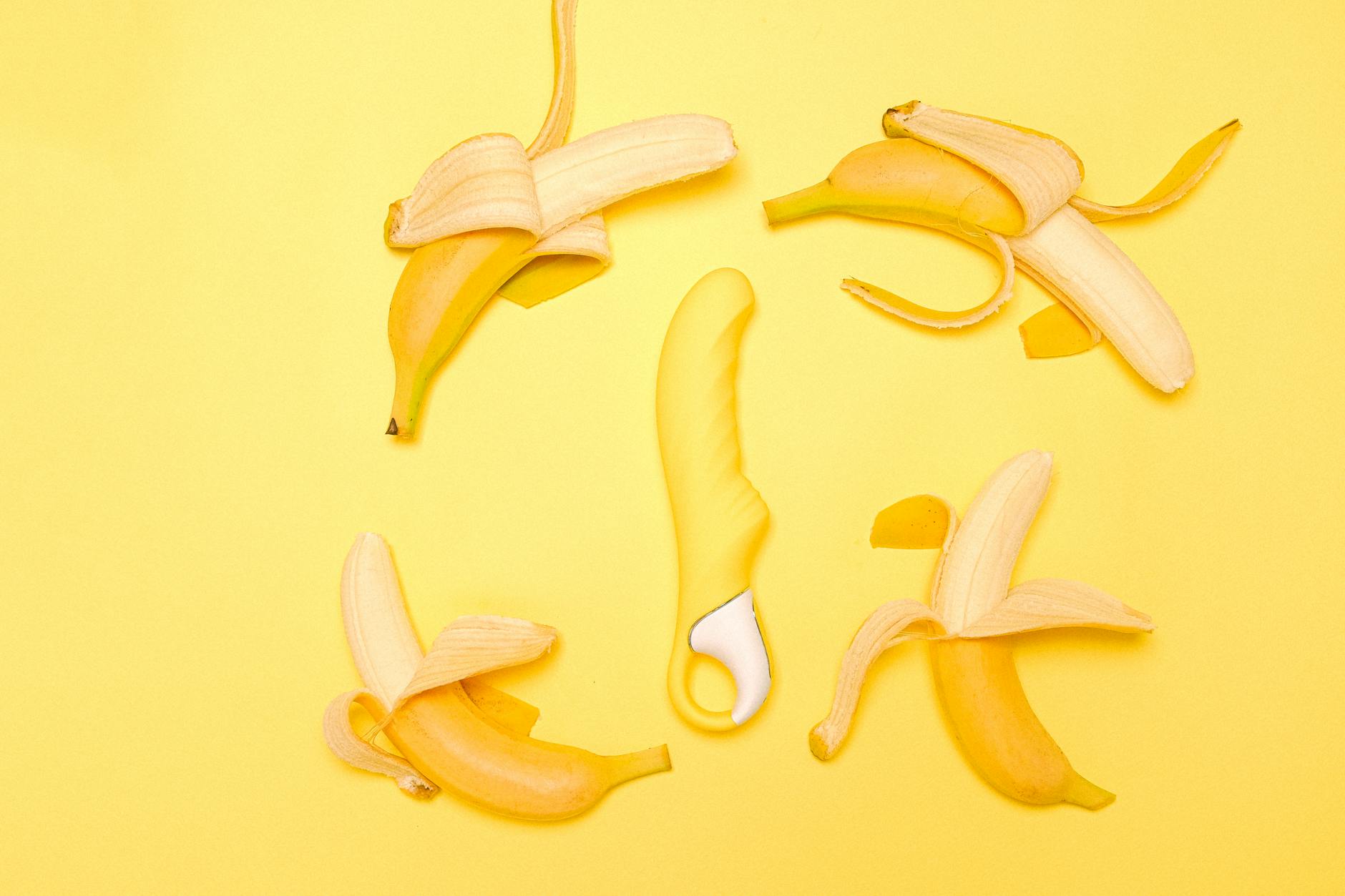
Here's the thing nobody warns you about. After a significant relationship ends or after sexual trauma within a partnership, pleasure doesn't just take a backseat. It vanishes entirely. Your body becomes a geography you no longer recognize. You know the map, but all the landmarks are gone.
I've worked with countless people who describe this exact sensation. They say things like "I don't even recognize my own desires anymore" or "I used to know what I wanted, and now I'm blank." That's not broken. That's a completely normal grief response. When intimacy is entangled with someone else's touch, their preferences, their rhythms, losing that person means losing the reference point for pleasure itself.
The good news. You can rebuild that connection on your own terms. And lemon clitoral vibrators, specifically, are remarkably good tools for this kind of gentle, intentional rediscovery.
Three things happen physiologically and psychologically when a meaningful sexual or romantic relationship ends.
First, the nervous system downshifts. During an intimate partnership, your body learns to anticipate touch, to move toward vulnerability, to stay in the parasympathetic state long enough for arousal to build. When that partner is gone, your nervous system doesn't just lose the trigger. It loses the entire context. Pleasure becomes neurologically confusing.
Second, shame or fear often moves in. If the relationship ended badly, or if there was any coercion or boundary violation, your body may now associate sex with threat instead of pleasure. This isn't psychological weakness. This is your nervous system doing exactly what it's supposed to do. Protect you. The problem is, protection and pleasure can't coexist.
Third, there's identity loss. We often build our sexual identity partly around our partner's attraction to us, their preferences, what they want from us. When that mirror disappears, you're left asking "What do I actually want?" It's a real question, and it deserves real time to answer.
Not every tool is right for this kind of work. Some vibrators demand a lot of you. They're intense, require a clear sense of what you're doing, can feel pushy or urgent.
Lemon clitoral vibrators, and specifically the suction-based design, work differently. Here's why they help.
First, they don't require you to "know" what you want in advance. With traditional vibrators, you have to decide: direct stimulation, side-to-side, that specific pattern you used to like. With a lemon suction vibrator, you can start at the gentlest setting (often pattern 1 or 2) and let your body respond rather than perform. That distinction is crucial. You're not trying to recreate a previous pleasure. You're discovering a new one.
Second, the sensation is rhythmic and predictable. For someone rebuilding trust in their body, predictability is safety. You know exactly what each setting feels like. There's no surprise, no sudden intensity shift that can trigger old memories or fear. Control lives entirely with you.
Third, the physical separation between the toy and your body provides emotional distance in the best way. You're not being touched by a person. You're being touched by a tool under your complete control. That can feel radically safe when intimacy with humans feels complicated.
If you're rebuilding pleasure after relationship loss, this is the approach I recommend.
Week one: no expectation of pleasure, only exploration. Use your lemon vibrator for ten minutes, alone, in a space where you feel safe and won't be interrupted. Start with the lowest setting. Your job is purely sensory. Notice what you feel. Not whether it's working or if it feels "good." Just what it feels like. Temperature. Pressure. Vibration pattern. Rhythm. This is data collection, not performance.
Week two: add breath awareness. Use the same setup, same time commitment. This time, notice your breathing. Does it shift when you move the vibrator? Do you hold your breath? Does it deepen? You're not trying to breathe in any "right" way. You're just watching what your nervous system is doing. Breath is the nervous system's on-ramp to pleasure.
Week three: begin adding intention. By now, you've had two weeks of safe, predictable sensations. Your nervous system has started to relax. Now, you can gently ask yourself: what am I curious about? Not what should feel good, or what used to feel good. What are you actually curious about exploring? Start there.
Week four onward: explore without timeline. There's no rule that says by week four you should be experiencing intense pleasure. Some people do. Many don't. That's completely normal. Keep showing up, keep exploring, keep staying curious. Pleasure rebuilt slowly is pleasure that actually sticks.
You cannot rebuild pleasure in an unsafe environment. I'm not being dramatic. Neurologically, this is fact. If you're not physically safe or if there's even residual emotional threat (a roommate who judges you, an ex who might show up, background anxiety about being discovered), your parasympathetic nervous system stays offline. Pleasure requires the parasympathetic nervous system to be active.
Before you use a lemon vibrator, sort out the environment first. Lock the door. Put your phone on silent. Maybe light a candle or play music that makes you feel like yourself, not like you're performing sexuality. Create the conditions where your body is allowed to be curious without justifying it or defending it.
There's a window. Too soon and you might retraumatize yourself. Too late and you might accidentally start believing pleasure isn't for you anymore.
In my experience, most people benefit from waiting about four to six weeks after a relationship ends before reintroducing deliberate sexual exploration. But this varies wildly depending on the relationship and how it ended. If there was trauma, grief, or coercion involved, waiting longer is wise.
The better metric than time is this: Can you spend time alone without anxiety spiking? Can you think about your own body without shame flooding in? Can you imagine touch as something that could be for you, not to you? If yes to all three, you're probably ready.
One final thing that trips people up. Pleasure can return before desire does. You might find that using a lemon clitoral vibrator feels good, feels interesting, feels safe. But you don't feel a surge of "I want this." You're not horny. You're just... doing a thing that feels okay.
That's not failure. That's exactly right. Desire is the faster emotion, the one that rebuilds after pleasure has been safely reestablished. Chase pleasure first. Desire will follow, usually within weeks or a couple months of regular, pressure-free exploration. You're not broken. Your nervous system is being protective. That protection is temporary.
If you find yourself using the vibrator and feeling nothing, that's information, not failure. Nothing often means either the setting is too intense for where you are right now, or you're still in a nervous system state that's too heightened. Try lower settings. Try shorter sessions. Try different times of day when you're calmer.
If you find yourself wanting to use the vibrator but stopping yourself because of shame, that's also information. That shame isn't about the vibrator. It's probably about old messages you internalized about your pleasure not mattering, or about sex being something you owed someone else rather than something for you. Those stories need time and sometimes therapy to untangle. The vibrator is just a tool. It can't fix internalized shame. What it can do is create regular experiences where your body realizes pleasure is possible, and that you deserve it.
If numbness or disconnection persists even with consistent gentle exploration over several months, that might be worth discussing with a therapist or your doctor. Sometimes numbness is protective. Sometimes it points to depression, dissociation, or lingering trauma that benefits from professional support alongside your own exploration.
Rebuilding pleasure after relationship loss isn't about returning to who you were before. It's about discovering who you are now, and whether pleasure still has a place in that life. Spoiler alert. It does.
Using a lemon vibrator during healing works best when it runs parallel to processing, not instead of it. I recommend pairing regular exploration with journaling, therapy, or honest conversation with trusted friends.
After each session, spend five minutes writing down what you noticed. Not whether it was "good." What did you notice? Did your breath change? Did emotion come up? Did your body remember something? Did you feel safe? All of this data helps you understand your own pleasure architecture and what it needs to rebuild.
If you're working with a therapist, share this practice with them. Some therapists actively recommend lemon vibrators or other body-based tools as part of healing work. Others prefer to focus on talk therapy. Either way, your therapist should know what you're doing, so they can support the full picture of your healing.
At some point, you might want to be intimate with a partner again. When that time comes, the solo work you've done with your lemon vibrator becomes invaluable. You know your own pleasure now. You know what settings feel good, what rhythm works for your body, what context helps you feel safe.
You can bring that knowledge into partnership. You might use your lemon vibrator during partnered sex. You might use it to show your new partner what you like. You might just use it solo while your partner does something else entirely. All of those are valid.
The key shift is this: you're no longer looking to your partner to unlock pleasure. You already have the key. A good partner just gets to enjoy watching you use it, and maybe sometimes gets to help. That's a radically different dynamic from the one that broke down before.
There's no standard timeline, which I know is frustrating. I've worked with people who felt pleasure returning within weeks and others who needed six months or longer. Variables include how long the relationship lasted, how it ended, whether trauma was involved, and your individual nervous system. You're not slow if it takes months. You're not rushing if pleasure returns faster. Your timeline is your timeline.
A lemon vibrator can be one tool in trauma processing, but it's not therapy. If the relationship involved coercion, abuse, or significant trauma, I strongly recommend working with a trauma-informed therapist alongside any solo exploration. The vibrator can help your body learn that pleasure is possible again. But processing the trauma itself usually requires professional support.
Nothing can mean a few things. One, your nervous system might still be too activated. Try even gentler settings, shorter sessions, or waiting a bit longer before reintroducing this practice. Two, numbness or dissociation can sometimes persist longer and benefit from professional support. Three, you might just need a different approach. Some people rebuild pleasure through other body-based practices like massage, breathwork, or yoga before returning to vibrators. All of those are fine.
Not even slightly. Most people with partners use vibrators solo from time to time. It's a completely normal part of sexual self-care. If your partner has concerns, that's worth a conversation about why, but the practice itself is healthy and common. Many couples actually find that each person's solo exploration makes partnered sex better, not worse.
No. If anything, the opposite is true. Understanding your own pleasure response through solo exploration usually makes partnered sex better because you know what you like and can communicate it. The nervous system doesn't get "addicted" to vibrators in any way that interferes with other pleasure. You're literally just learning about your own body.
A rough checklist: You can spend time with yourself without anxiety spiking. You can use your vibrator and feel something consistent, even if it's not intense pleasure yet. You're genuinely interested in partnered intimacy (not doing it because you feel like you should or because you're lonely). You trust this person, or you're willing to build trust slowly with them. You've communicated your boundaries and needs clearly. If most of those feel true, you're probably ready to explore partnership again. And you can always pause if it doesn't feel right.
Heartbreak disconnects you from pleasure. That's real. But disconnection isn't permanent. Using a lemon clitoral vibrator as part of intentional, pressure-free solo exploration can help you rebuild that connection on your own terms, at your own pace, in your own way.
You don't need anyone else's permission or presence to remember that pleasure belongs to you. You never needed it. You're just remembering.