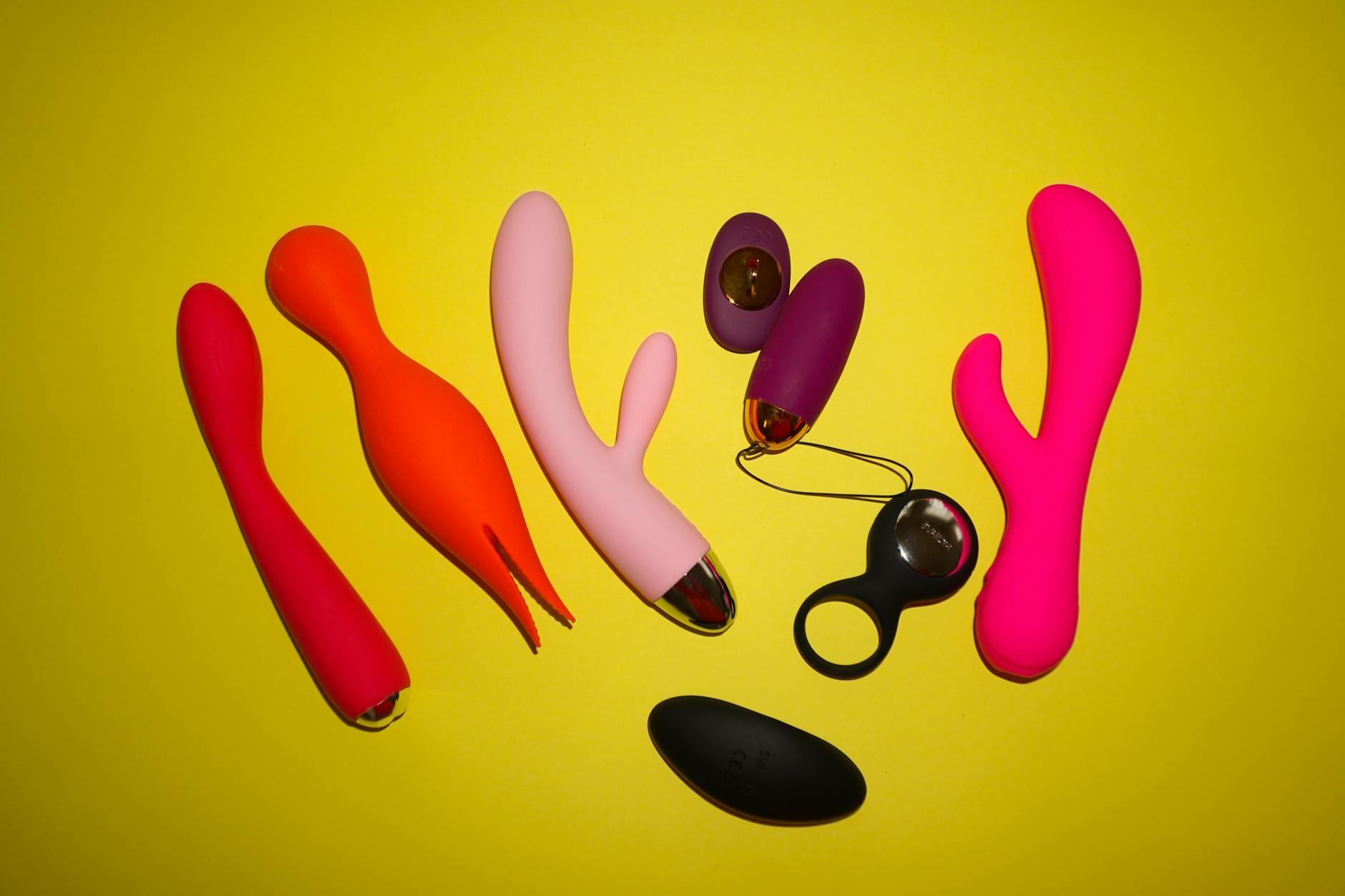
How to Use Lemon Vibrators When You Have Chronic Pain Conditions
Chronic pain doesn't end pleasure. It just requires a different approach. Here's how lemon clitoral vibrators fit into a sustainable intimacy practice when your body has limits.
Chronicpain doesn't kill desire. What it does kill is spontaneity. Your nervous system gets hypervigilant. Your pelvic floor tightens defensively. You're managing fatigue, medication side effects, and the emotional weight of your body not cooperating. By the time pleasure enters the conversation, it feels like asking too much.
That's where lemon vibrators change the math. They're not about pushing through pain. They're about working with your nervous system instead of against it.
When you live with fibromyalgia, arthritis, endometriosis, or neuropathic pain, your central nervous system is already in a heightened state. It's scanning for threats. That means your body deprioritizes pleasure signals because survival feels more urgent. Arousal requires a degree of nervous system calm that chronic pain makes harder to access.
Then there's the physical reality. Flare-ups change texture sensitivity. Pain medications dull sensation or flatten desire. Fatigue is real enough to override everything else. And if your pain is in the pelvis or lower back, penetration or direct pressure can trigger cascading discomfort for hours or days afterward.
But here's what doesn't change: the neural pathways for pleasure are still there. Your clitoris still has thousands of nerve endings. Your brain's capacity for arousal hasn't disappeared. It's just operating under constraints. A lemon vibrator works within those constraints instead of fighting them.
Most vibrators rely on direct friction or broad pressure. For a pain-sensitized body, that's often too much. Suction-based clitoral vibrators like The Lem operate differently. They use gentle air-pulse technology rather than vibration or friction. This stimulates without the mechanical pressure that can trigger pain responses.
That distinction matters more than it sounds. Someone with fibromyalgia doesn't need a more powerful vibrator. They need a smarter one. The Lem's gentle suction creates sensation without overwhelming a nervous system that's already working overtime. You're stimulating nerve endings through gentleness, not force.
The shape also helps. The Lem's compact design means you control pressure entirely. You're not trying to maneuver around pain points or hold a heavy toy while managing discomfort. It's designed for precision and ease, which is exactly what you need when your body is running on limited energy.
One of the biggest mistakes people with chronic pain make is treating pleasure like it should work on a normal schedule. It shouldn't. It should work on your pain calendar.
Map your patterns. Most chronic pain conditions have some predictability. Maybe your flare-ups cluster around your menstrual cycle. Maybe they follow activity or stress. Maybe they're random but you know roughly how long they last. Use that information.
The best time to explore pleasure is typically 24 to 48 hours after a flare breaks, when pain is receding but you're not yet in another cycle. Your nervous system has started to calm. You have some energy back. This is the window.
Don't use sexual activity to distract from pain. That doesn't work. Instead, prioritize pleasure during your good windows and practice acceptance during flare-ups. Pleasure isn't punishment for managing pain well. It's a separate practice with its own rhythm.
Before you even touch a lemon vibrator, your nervous system needs permission to shift out of protection mode. That's where breathing comes in. Five minutes of intentional breathing isn't spiritual. It's neurobiology. It signals to your brain that you're safe enough for pleasure.
Try box breathing. Breathe in for four counts, hold for four, exhale for four, hold for four. Repeat for two or three minutes. This activates your parasympathetic nervous system, which is responsible for rest, recovery, and arousal. You're literally giving your body permission to pursue pleasure.
After breathing, gentle movement helps. Not exercise. Movement. Stretch whatever feels good. Roll your shoulders. Let your hips sway. You're waking up sensation in your body without triggering pain patterns. This preps your nervous system to receive pleasure signals rather than filter them out as noise.
Then when you use your lemon vibrator, you're working with a body that's already oriented toward sensation, not threat. The effect is exponentially different.
Chronic pain often comes with reduced lubrication, whether from medication, hormonal changes, or stress responses. Water-based lubricant is non-negotiable. Not because you're broken, but because it removes one variable your nervous system has to process.
With The Lem or similar lemon clitoral vibrators, start at the lowest setting. Not because you lack sensitivity, but because you're giving your nervous system time to recognize pleasure as safe. Spend time on lower patterns before increasing intensity. This teaches your body that building arousal gradually feels better than jumping to high sensation.
Pressure matters more than intensity. The Lem's suction design lets you control how much pressure you want. Start with light contact. If that feels good, gradually increase. If anything triggers pain, reduce immediately. You're not pushing through anything. You're finding your actual window.
Most people with chronic pain find their sweet spot sits at pattern 2 or 3 on a lemon clitoral vibrator, not maxed out. That's fine. That's working with your body, not against it.
Sometimes despite all the planning, your body has a pain moment during intimacy. Here's what to do. Stop immediately. There's no prize for pushing through. Remove the toy. Focus on your breath. Breathe back into your parasympathetic system. If you need to move, move gently. If you need to rest, rest.
This isn't failure. This is data. Your nervous system just told you something about what its limits are today. Write it down if you're tracking patterns. Don't shame yourself. Your body is managing an enormous amount already.
The next time, adjust your timing, pressure, or setting based on what you learned. Pleasure with chronic pain isn't about perfection. It's about curiosity and compassion toward your own nervous system.
If you're with a partner, they need to understand the separation between chronic pain management and pleasure practice. These are different conversations. "My pain is flaring" is not the same as "I'm not interested in intimacy." They can coexist.
Many people use lemon vibrators for solo exploration specifically because they can control pacing, pressure, and timing without explaining themselves constantly. That's legitimate. Solo pleasure is complete in itself, not a substitute for partnered intimacy.
If you do want partnered intimacy during lower-pain windows, your partner needs to know: go slowly, ask before increasing pressure, and watch for subtle pain signals. They're not there to push you. They're there to follow your lead and your body's rhythm.
Some people worry that pain medications will numb sensation so much that a lemon vibrator won't work. Honestly? The opposite is often true. When you're medicated and pain is managed, your nervous system calms enough to actually receive pleasure signals. You're not spending all your attention on managing pain.
That said, timing matters. If your medication makes you drowsy or foggy, intimacy probably isn't the priority then. But during windows when your pain is managed and you feel present, that's when pleasure practice becomes possible again. The Lem's gentle suction works well in these windows because it doesn't demand intensity.
With chronic pain, intimacy isn't something you do on the weekends. It's something you weave in during good windows, expect gaps during flare-ups, and keep returning to without self-judgment. A lemon vibrator makes that sustainable because it's low-pressure both literally and emotionally. You're not dealing with complex positions or endurance requirements. You're just experiencing sensation in a way your body can tolerate.
Start with five to ten minutes once every two weeks. That might be all your energy and pain cycle allows. That's enough. Consistency over intensity builds the neural pathways back to pleasure. Your body remembers that sensation is possible. Over time, those windows may expand. Or they may stay small. Either way, you're reclaiming a part of yourself that chronic pain shouldn't take.
Not typically. Your nervous system is already overwhelmed. Introducing additional sensation, even pleasant sensation, usually triggers more pain. Instead, wait for your pain to break. Then use the window when your nervous system has started to calm. That's when a lemon clitoral vibrator actually feels good instead of like one more thing your body has to process.
The suction design of lemon vibrators means you're avoiding the direct pressure that often triggers endometriosis pain. Many people with endometriosis find that external clitoral stimulation through suction feels better than penetration or broader pressure. Always start low and watch for pain signals. If anything feels sharp, stop. Solo exploration with a lemon vibrator lets you map your own pain boundaries without explaining yourself to anyone.
Some medications genuinely flatten sensation. If that's happening, the issue isn't the lemon vibrator. It's the medication's side effect. Worth discussing with your doctor. Sometimes switching timing, dosage, or medication entirely can help. In the meantime, focus on pleasure in other ways. Touch, sound, intimacy with a partner. Not everything is about sensation.
Pain has a distinct quality. It's sharp, shooting, or burning. Normal sensation during intimacy feels warm, tingling, or electric. If you're unsure, slow down. Reduce intensity. If the sensation softens, you're safe. If it sharpens, you've hit your edge. Stop there. Your body knows the difference even if your brain is confused.
Central sensitization means your nervous system amplifies pain signals. That's exactly why gentle suction works better than intense vibration. You're stimulating pleasure pathways without overwhelming the nervous system's threat detection. The Lem's graduated patterns let you start so gently that your nervous system recognizes sensation as safe, not dangerous. This can actually help recalibrate your nervous system over time.
Yes, if it seems relevant. Specifically, tell them you're exploring gentle pleasure practice as part of your nervous system recovery. Most good doctors recognize that healthy sexual expression supports overall wellbeing. They may have insights about timing relative to your pain cycle or medication. And they can help you distinguish between pain that needs medical attention and pain that's just your nervous system being protective.
Your pleasure matters. Chronic pain is real and it reshapes everything, including intimacy. But it doesn't end your capacity for sensation or joy. A lemon vibrator fits into that reality. It works with your constraints instead of pretending they don't exist. Start small. Follow your body's actual windows. Return to it without judgment during flare-ups. That's how you build pleasure back into a life with chronic pain.